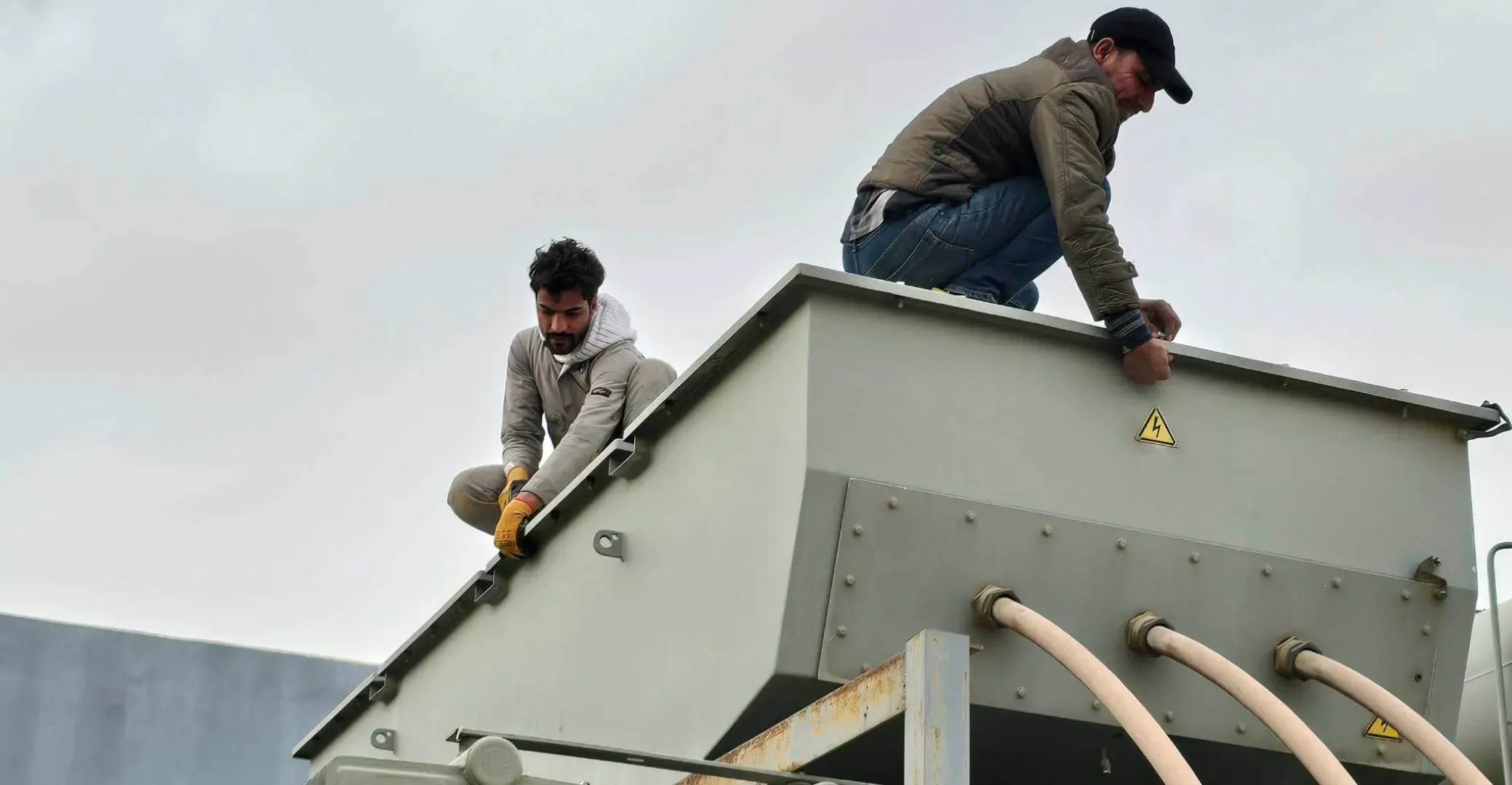
More than 20 electricity projects in Iraq’s southern Dhi Qar province have suddenly been put on hold, and no one has explained why. This includes power stations that were almost finished and were supposed to help fix the province’s ongoing electricity problems.
Ali Saber Al-Kinani, a lawmaker from Dhi Qar, said that work has stopped on both main and sub-stations that are vital to keeping the lights on. Among the suspended projects are five major power stations, each planned to produce between 921 and 1,200 megawatts. There are also 16 distribution stations that were meant to reduce voltage from 33 kilovolts to 11 kilovolts so electricity could be safely delivered to homes and businesses.
Al-Kinani explained that Dhi Qar also needs more transmission stations to lower electricity from 132 kilovolts to 33 kilovolts. Without this infrastructure, the province remains heavily dependent on the national grid, which is already under serious strain.
He warned that delaying these projects is making the situation worse and called on the federal government to step in and restart construction. According to him, completing these stations would greatly increase local power supply and help stabilize electricity across the wider grid.
The lawmaker did not say why the projects were stopped or which companies were responsible for the work.
The halt comes at a time when Dhi Qar is already struggling with repeated power shortages. Earlier this month, the province faced a sudden electricity crisis after private generators shut down, cutting supply across Al-Nasiriyah and nearby areas and putting even more pressure on the national grid.
Lawmakers have previously said Dhi Qar needs between 900 and 1,500 megawatts to seriously reduce outages, depending on demand.
Despite Iraq being one of the world’s largest oil producers, the country still relies heavily on electricity imports. This dependence leaves the power system vulnerable to disruptions. According to the Eco Iraq Observatory, the national electricity crisis is getting worse, with demand estimated at 50,000 to 55,000 megawatts, while actual production is only around 28,000 megawatts.
For residents of Dhi Qar, the stalled projects mean the same old problem continues: too little power, too many outages, and no clear answers.