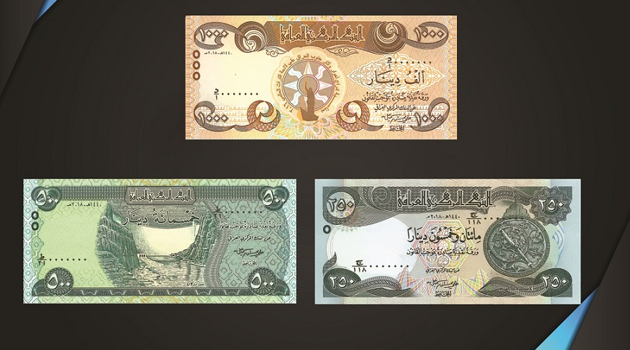
For almost 20 years now, a small but passionate group of investors has been chasing one big dream: the Iraqi dinar revaluation. These investors have bought millions of dinars, believing that one day Iraq will suddenly reprice its currency—and turn small bets into life-changing money.
As 2026 approaches, the same question comes back again: Is this finally the year?
The Dream That Refuses to Go Away
The idea sounds simple and powerful. Iraq sits on massive oil reserves. It’s rebuilding. It’s slowly stabilizing. So, the thinking goes, its currency must eventually rise—maybe even back to where it was before the 1991 Gulf War, when one dinar was close to one U.S. dollar.
Today, the dinar trades around 1,300 to the dollar. For believers, that gap feels like hidden treasure waiting to be unlocked.
Every bit of news gets people excited. A new oil deal. A government reform. A comment from Iraq’s central bank. Online forums light up. YouTube videos promise “breaking news.” The long-awaited “RV” always feels just days away.
The Reality Check No One Likes
Most economists see things very differently.
The biggest problem is math. Iraq has around 100 trillion dinars in circulation. If the dinar suddenly jumped anywhere near dollar parity, Iraq’s economy would need to support a money supply worth tens of trillions of dollars—far beyond what the country produces or owns.
Currencies don’t rise just because a country wants them to. They move based on real factors like productivity, exports, inflation, reserves, and trust in institutions. Iraq still struggles with corruption, political tension, weak infrastructure, and heavy reliance on oil.
The Central Bank of Iraq has repeatedly said it does not plan a massive revaluation. True believers usually dismiss this, saying the bank is hiding the truth until the last moment.
Why Some Think 2026 Could Be Different
Supporters argue that Iraq is improving. Banking reforms are underway. Oil production is growing. Foreign investment is coming in. The financial system is slowly modernizing.
And then there’s the hopeful logic: if people predict an RV every year, eventually one year has to be right.
But the same obstacles are still there. Politics remain fragile. Corruption hasn’t disappeared. Oil prices rise and fall. Infrastructure needs are huge. Regional instability hasn’t gone away.
Most importantly, a sudden, massive revaluation would likely hurt Iraq more than help it. It would make Iraqi goods expensive, crush exports, and could trigger economic chaos almost overnight.
The Human Cost of Waiting
Behind the theories are real people.
Some have tied up large parts of their savings in dinars. Others bought at inflated prices from dealers. Many have waited for years, holding on while missing out on more traditional investments.
Psychology plays a big role. Once someone has waited this long, it’s hard to let go. Online groups reinforce belief. Doubt gets brushed aside. Every delay just pushes hope to the next date.
Regulators and consumer groups have warned about dinar speculation for years. Some sellers have faced legal trouble. Still, the dream survives—powered by testimonials, social media, and the promise that “this time is different.”
So… Will 2026 Be the Year?
Based on standard economics, probably not.
The same structural problems are still there. Iraq is growing, but not at a level that supports a dramatic currency reset. A modest adjustment over time is possible—but nothing close to what most speculators expect.
Could something unexpected happen? Sure. Economics is never 100% predictable. But the odds of a sudden, overnight windfall remain extremely low.
Most likely, 2026 will look like the years before it: hope, rumors, new timelines, and another promise that the next year will finally be the one.
The Bigger Lesson
The Iraqi dinar story isn’t really about Iraq. It’s about hope, patience, and the human desire for shortcuts to wealth.
For most people, slow and boring investments—diversification, discipline, and skepticism—still win in the long run. The dinar dream continues not because the facts changed, but because once hope is invested, it’s very hard to walk away.
As 2026 begins, the dream lives on. Whether reality ever catches up is another story.