Throughout 2025, the International Monetary Fund kept a close eye on Iraq’s economy and made several important moves that could shape the future of the Iraqi dinar and the country’s financial system.
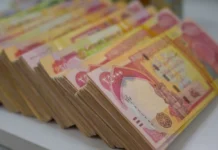
On March 12, Iraq wrapped up key meetings with the IMF in Amman, held from February 24 to 26. The talks included Finance Minister Taif Sami and the Governor of the Central Bank of Iraq. One major topic was how to strengthen the Iraqi dinar by using it more in large local transactions instead of relying on foreign currencies.
By May 20, the IMF followed up with official recommendations after another visit to Iraq. These focused on improving financial stability and pushing forward economic reforms.
Then on June 27, the IMF stressed that Iraq still needs to make it easier to access foreign currency. It said the gap between the official exchange rate and the market rate can be reduced by forcing the use of the dinar in car and real estate sales, tightening customs controls to stop smuggling, and simplifying the way businesses get foreign exchange.
On July 9, the IMF’s Executive Board praised the Central Bank of Iraq for successfully moving to a new trade finance system. According to the IMF, this step helped narrow the difference between the official exchange rate and the street rate, which is a big win for currency stability.
Just a few days later, on July 14, the IMF pushed Iraq to reform its state-owned banks. It said fixing these banks would help grow the private sector and support stronger economic growth overall.
That same day, the IMF released a detailed 19-page report called “Unlocking Iraq’s Economic Potential.” The report focused on structural reforms and how Iraq can boost non-oil growth over the medium term.
On July 18, the IMF went even deeper by publishing a longer 64-page report that laid out its full findings and recommendations for Iraq’s economy.
Finally, on October 22, the IMF upgraded its outlook for Iraq. It raised its GDP growth forecast and lowered its inflation forecast, signaling more confidence in the country’s economic direction.
Overall, these updates show the IMF sees progress in Iraq, especially when it comes to the dinar, banking reforms, and long-term economic stability.