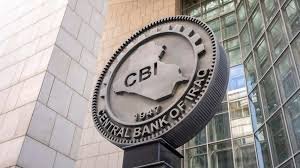
The Central Bank of Iraq has laid out three major steps to help the country tackle its growing debt, stressing that the real path forward is to move Iraq away from relying mainly on oil and toward a more productive, diversified economy.
Bank spokesman Alaa Al-Fahd explained in a press statement that having debt isn’t unusual—“even the United States has internal and external debts,” he said. Debt isn’t a problem on its own, he noted, as long as it is used for investment, because investment creates new income.
But Iraq’s debt, he added, is mostly used to cover the operational budget, which means it goes toward everyday expenses and consumption, not growth. “That kind of debt eventually becomes a burden,” Al-Fahd said, because the country must later repay the money along with interest.
Al-Fahd outlined three main solutions to ease Iraq’s debt:
- Diversify non-oil revenues
- Increase investments
- Expand partnerships with the private sector
These steps, he said, would help reduce Iraq’s heavy dependence on oil. However, he admitted that building strong private-sector partnerships will take time and cannot be achieved quickly.
He also shared the current debt figures:
- External debt: about $13 billion
- Internal debt: about 91 trillion dinars
Al-Fahd pointed out that much of the internal debt can be managed more easily because it is owed to government-owned banks. He emphasized that the current debt levels do not pose an immediate danger to the economy. Still, he warned that continuing to rely too heavily on borrowing is a sign that Iraq needs to change course.