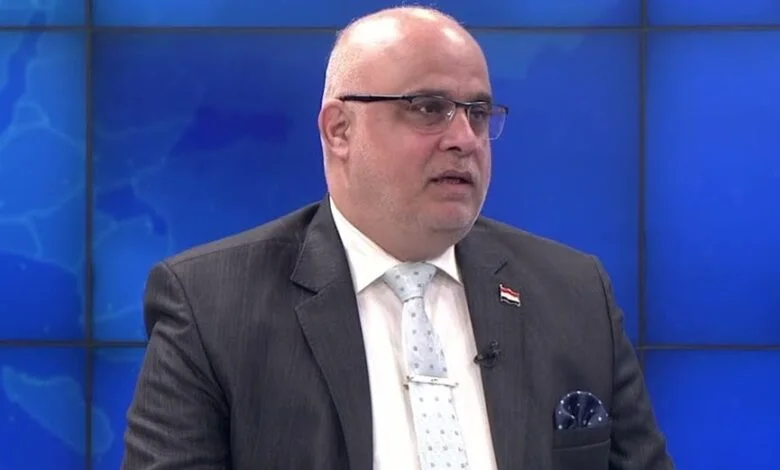
Furat al-Moussawi, head of the Iraq Energy Center, said Iraq is slowly moving in the right direction when it comes to cutting gas flaring and using more local gas. But he made it clear that full gas self-sufficiency by 2026 is still a tough target given today’s reality.
Speaking to Al-Manassat via dinaropinions.com, al-Moussawi said Iraq’s biggest energy challenge is its heavy reliance on associated gas and the large amounts wasted through flaring. He explained that the government has launched several projects in recent years, especially in southern oil fields, to capture and process this gas. These efforts have helped lower flaring levels and increased the supply of dry gas used to run power plants.
Still, he stressed that this progress doesn’t mean Iraq is close to full independence in gas. High electricity demand during the summer, delays in developing free gas fields like Akkas and Mansourieh, and the lack of a fully integrated gas transport and processing network all stand in the way of reaching that goal anytime soon.
According to al-Moussawi, the most realistic outcome in the near term is a noticeable drop in gas flaring, along with greater use of local gas for power generation. However, reaching zero flaring or full self-sufficiency is unlikely in the short run.
He added that as long as there is a gap between local gas production and actual demand, Iraq will still need to import gas or rely on liquid fuel at certain times. He described the current situation as a transition phase—moving from waste to investment, and from total dependence to a more balanced system.
Al-Moussawi concluded by saying this phase is an important step toward stronger energy independence, but it’s not the final goal. Real energy security, he said, will depend on finishing free gas projects and speeding up infrastructure investment over the medium and long term.