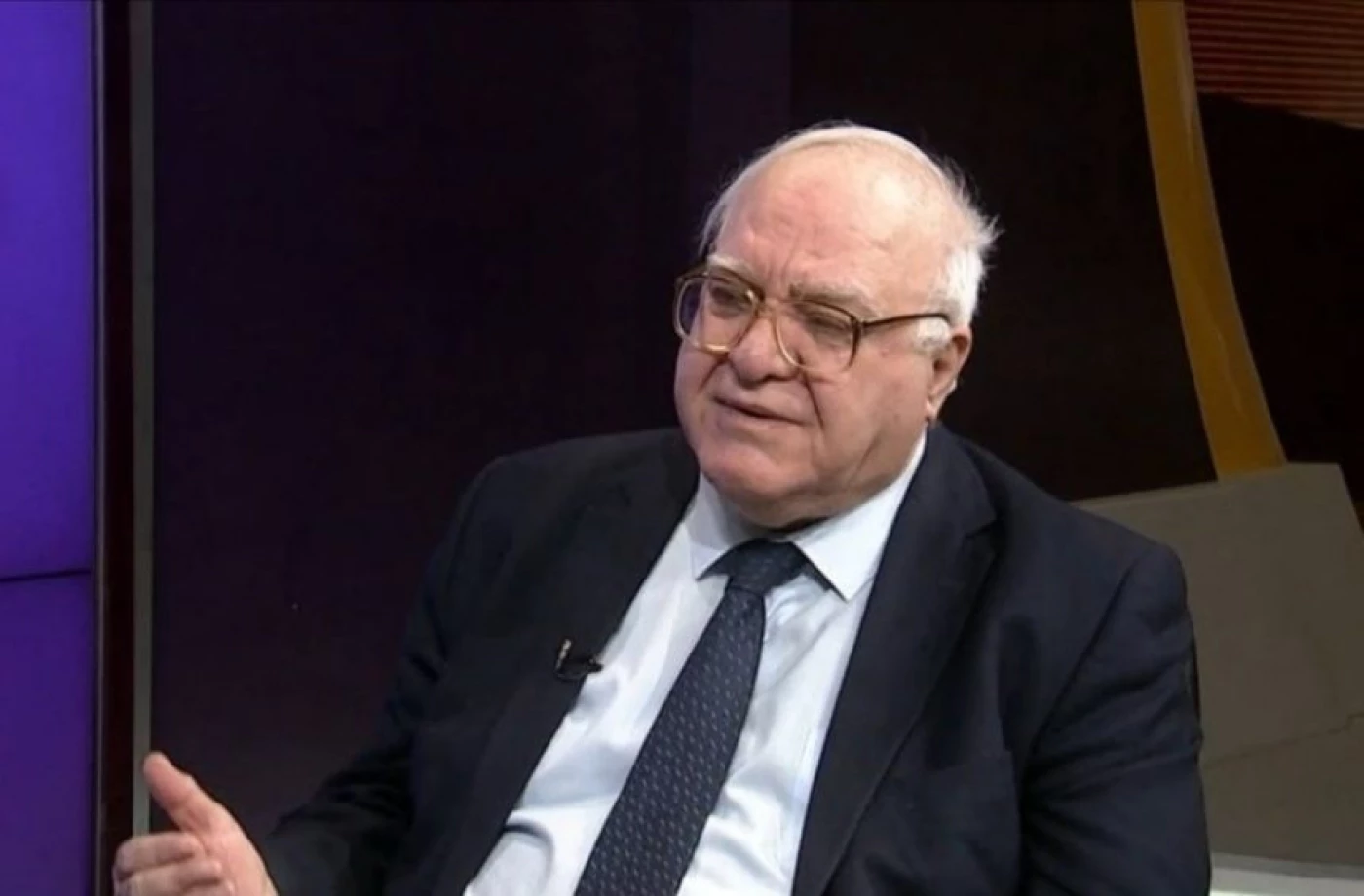
The Prime Minister’s economic advisor, Mazhar Muhammad Saleh, said on Monday that changes in global oil prices are not directly linked to fluctuations in Iraq’s parallel exchange market.
He explained that Iraq’s monetary policy is built on a fixed exchange rate, backed by foreign reserves of more than $100 billion, which provides strong protection and stability for the foreign currency market.
Saleh told dinaropinions.com that the recent, limited movements in the parallel market are temporary reactions, not a sign of deeper problems. These movements came after the government launched a new fiscal discipline package aimed at reviewing public spending paths and improving revenue efficiency—especially by expanding and tightening control over tax and customs systems.
He said this type of reaction is normal market behavior. When new fiscal policies are announced, supply and demand naturally test those signals before gradually adjusting and returning to more stable levels that match economic fundamentals.
According to Saleh, what is happening now is not a structural imbalance in the exchange market. Instead, it is a short-term adjustment phase tied to regulatory measures designed to strengthen financial and monetary stability over the medium term.
He also stressed that these fluctuations have not affected overall price stability. Inflation remains low, at around 2.5% annually, which he said proves the effectiveness of Iraq’s overall economic policy mix.
Saleh explained that this stability comes from the alignment of three main policies:
- Monetary policy: Maintaining a fixed official exchange rate of 1,320 dinars per dollar.
- Fiscal policy: Broad government support equal to about 13% of GDP, which limits the impact of price shocks on citizens’ living standards.
- Trade policy: Price protection through the subsidized food basket and the modern retail system, such as hypermarkets, which absorb parallel market noise and prevent it from spreading into the broader economy.
He concluded by saying that the parallel market no longer plays a major role in daily life, as its influence has become detached from income and consumption. Its impact is now mostly limited to the asset sector, which does not directly affect living conditions or social stability.