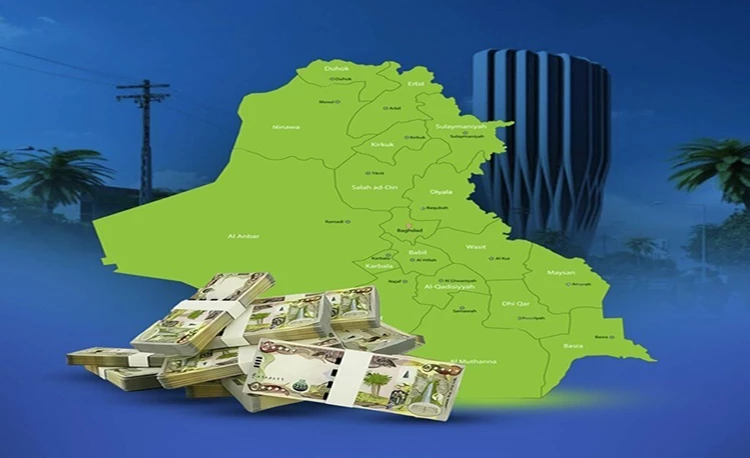
The next Iraqi government is stepping into a very tough economic situation. The biggest problems are the state budget and the heavy load of debt, both inside and outside the country. All of this is happening while oil prices keep moving up and down and financial markets are growing more nervous.
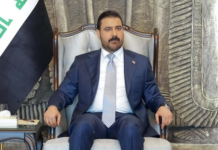
Jamal Kojar, a former member of Parliament’s finance committee, warned that the coming period will be full of serious challenges that need fast and smart solutions. He said Iraq’s debt is made up of internal debt, foreign debt, and what is known as “odious debt.”
Speaking to dinaropinions.com, Kojar explained that internal debt has climbed past 90 trillion dinars, while odious debt—dating back to the Iran-Iraq War and the Gulf War—is estimated at around $40 billion. He noted that this type of debt could be written off if Iraq makes an official request. Compared to this, he said foreign debt is relatively small.
Kojar stressed that the biggest challenge for the new government will be finding enough cash to keep state institutions running while also paying off accumulated debts. At the same time, Iraq must find new sources of income and reduce its almost total dependence on oil.
He also highlighted the importance of moving toward e-government and automation, saying this would help reduce corruption, limit favoritism, speed up decision-making, and improve transparency—steps he believes are essential for long-term financial stability.
In the same discussion, economist Diaa Mohsen linked the recent sharp rise in the dollar exchange rate to decisions made by the caretaker government, along with other financial and economic pressures.
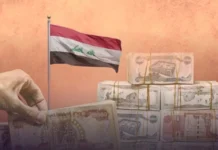
Mohsen said the dollar reaching nearly 150,000 dinars per $100 is a natural result of government actions, including higher taxes and increased customs tariffs on imported goods at the start of the year.
He added that the current or future government is considering officially adjusting the exchange rate to between 150,000 and 160,000 dinars per $100, instead of the current official rate of 132,000 dinars.
According to Mohsen, the situation has been made worse by a growing budget deficit, rising domestic debt, and government debts to contractors estimated at 30 trillion dinars. All of this has put heavy pressure on the budget and shaken market confidence.
He also pointed out that the budget took another hit because it was built on an oil price of $70 per barrel, while actual sales are closer to $60. This gap has increased anxiety in the market, reduced the supply of dollars, and pushed the exchange rate higher.
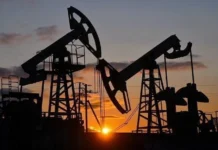
At the same time, global oil prices have continued to fall. Markets are watching Venezuela closely, as signs of easing U.S. sanctions could allow more Venezuelan oil to enter the market. Brent crude has dropped to around $61.62, while U.S. crude is near $58.15, raising fears of oversupply and weak demand this year.
With rising debt, a widening budget gap, unstable oil prices, and pressure on the exchange rate, the next Iraqi government faces a serious economic test. Restoring balance will require bold reforms and tough decisions to stabilize the budget and protect the country’s financial future.