An official from the Central Bank of Iraq says the bank is not to blame for the growing gap between the official dollar rate and the market rate.
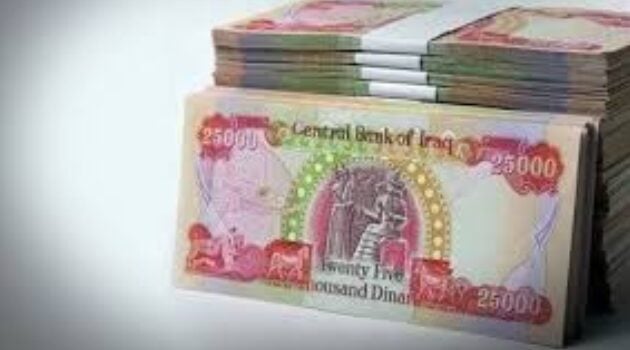
Right now, the official rate stands at 1,320 dinars per dollar. But in the parallel market, the dollar is trading around 1,530 dinars. That gap has been worrying many people.
Alaa al-Fahd, the media official for the Central Bank, told Rudaw that the problem is not a shortage of dollars. Instead, he says it’s linked to new customs rules and traders turning to unofficial channels.
What changed?
Iraq recently rolled out the ASYCUDA system at all border crossings. This is a digital customs system developed by the United Nations Conference on Trade and Development. It helps standardize customs procedures and improve tax collection.
The system now covers all 22 federal border crossings, including major ports in southern Iraq.
The goal was simple: increase transparency and stop tax evasion.
But according to the Central Bank, the changes also pushed some traders into the parallel market. Fahd says many traders are now buying dollars outside official banking channels to finance trade that is not declared — mainly to avoid paying taxes and customs fees.
“Not our responsibility”
Fahd stressed that the Central Bank cannot be blamed for the higher market rate because the demand is coming from unofficial trade activity.
He said the bank has tried to bring all traders — even small ones — into the official financial system and to handle foreign trade through international banks. But not everyone has followed that path.
No plan to change the exchange rate
Last week, Central Bank Governor Ali al-Alaq said there are no plans to change the dinar’s official exchange rate.
He said Iraq’s foreign reserves are strong and that rumors about a rate change are misplaced. According to him, the exchange rate would only be reconsidered if Iraq could not meet demand for foreign currency. He said that is not the case today.
“There is great confusion occurring,” Al-Alaq said, making it clear that the bank is not studying any change to the rate.
Banking reforms under way
At the same time, Iraq’s banking sector is going through major reform.
So far, 22 Iraqi banks have been banned from dealing in U.S. dollars due to compliance and regulatory concerns.
Fahd said the Central Bank is working with consulting firm Oliver Wyman to upgrade banking operations and improve financial compliance to international standards.
He said the reform plan is at an advanced stage and, once completed, will strengthen both government and private banks.
The bigger picture
Iraq currently has 64 banks and 101 financial institutions. More than 67,000 companies rely on them to manage their finances.
The government is pushing for tighter customs controls and stronger banking rules. But in the short term, these changes are creating pressure in the currency market.
For now, the Central Bank’s message is clear: the official rate is staying the same — and the gap in the market is being driven by unofficial trade, not a dollar shortage.