Aave wants to move beyond basic crypto lending.
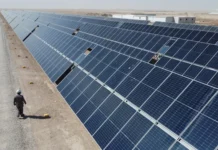
Founder Stani Kulechov says the future of DeFi isn’t just lending against Bitcoin and Ethereum. It could be funding solar farms and real-world infrastructure.
In a recent post, he laid out a long-term vision: bring solar energy projects on-chain, turn them into digital tokens, and use them as collateral inside Aave.
From Solar Farms to Digital Assets
Kulechov says one big problem in solar financing is that money gets locked up for years.
Most solar projects run on contracts that last 20 years or more. Investors get steady returns, but their capital isn’t flexible. That limits how much money can flow into the sector.
Tokenization could change that.
If solar projects are turned into digital assets, investors could trade their positions more easily. These tokens could also be used as collateral on Aave. That means developers wouldn’t have to wait months for traditional loans. They could borrow quickly using tokenized solar assets.
According to Kulechov, this extra liquidity could lower the returns investors demand. A project that needs a 10% return in private markets might only need 6% if it becomes tradable and easier to finance.
Over time, capital could move faster. Instead of sitting in one project for decades, the same money could fund multiple projects.
A Boost for Stablecoins Too
There’s another angle.
Solar farms exist all over the world. Their debt could be issued in different currencies. That could increase demand for euro- or pound-backed stablecoins, instead of everything running on U.S. dollars.
It opens the door to a more diverse on-chain lending market.
A New Growth Path for DeFi
Kulechov says crypto-backed lending is becoming crowded. Many DeFi platforms offer similar products. Margins are shrinking, and long-term growth could slow down.
Solar-backed lending offers a different path.
Instead of relying on speculative crypto assets, Aave could support projects that generate real cash flow. Depositors could earn what he calls “green yield” — returns tied to clean energy production.
He also pointed out that most everyday investors can’t easily invest in solar projects. High minimum investments and complicated structures keep people out. On-chain tools could lower those barriers and make infrastructure investing more accessible.
More Than Just Returns
Kulechov described this approach as “opinionated.”
In his view, DeFi shouldn’t just mirror traditional finance or focus on government debt and short-term trading. It should fund productive, future-focused assets.
If this model works, it could create a parallel financial system — one where real infrastructure and real revenue support lending markets and stablecoins.
For Kulechov, this isn’t just a product expansion. It’s a statement about where DeFi should go next.
He ended his post with a bold claim:
“Aave will win.”