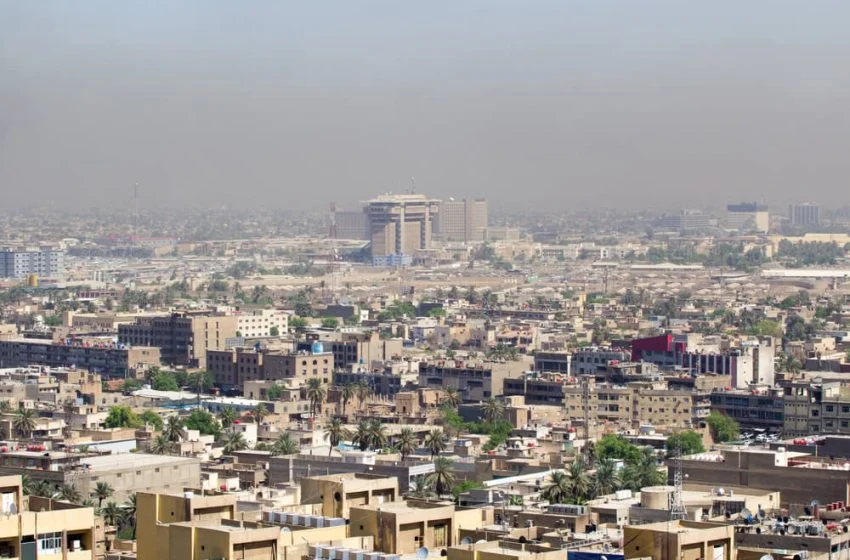
Iraq’s Ministry of Planning said Tuesday that more than 100,000 informal housing units are spread across the country. These homes are sheltering between 500,000 and 600,000 people.
Ministry spokesman Abdul Zahra Al-Hindawi said the problem has become more complicated over the years, mainly because of fast population growth. He explained that a draft law to deal with informal housing has been sitting for years, but different governments and parliaments have failed to pass it due to disagreements over some of its points.
He added that the ministry worked with UN-Habitat to prepare another draft law to solve the crisis. But that proposal has also not been approved yet.
Al-Hindawi said the issue is not just about traditional slums. Many homes have been built on state-owned land without official permission. Some of these houses lack basic services. Others are actually well-built and in good condition, but they are still considered illegal because they were constructed without authorization.
According to official census data, Iraq has more than 8 million housing units in total. Around 1.3 percent — about 104,000 homes — are classified as non-regular housing. This includes mud houses, caravans, tents, and other temporary shelters.
The government has started taking steps to deal with the issue gradually. These include Cabinet Resolution 320 of 2022, which addresses building on agricultural land, and Resolution No. 20 of 2025, which focuses on unauthorized construction on municipal land.
Al-Hindawi said the government is also setting aside state land in new residential cities and helping affected families find proper housing. Plans include expanding major housing projects through partnerships with investors and local developers to offer safer and more decent living options.
Officials say fixing the housing problem will not happen overnight. It involves legal, social, and planning challenges. But they stressed that structured reforms are now in motion, and the issue will be handled step by step.