Iraq’s Payroll Cliff: Why the Dinar Isn’t Your Retirement Plan
For years, people have been told a simple story: buy Iraqi dinar, wait for a big “RV,” and one day you’ll be rich. The idea sounds easy. Iraq has a lot of oil, so its currency must eventually shoot up in value.
But that story is breaking down.
Right now, Iraq is facing a much more basic problem: it may struggle to pay its own workers.
Think about that for a second. A government that might not be able to cover salaries is not about to suddenly make its currency skyrocket.
The scale of the issue is huge. More than 10 million people in Iraq get money from the state every month. That includes employees, retirees, and people on social support. The government needs around 8 trillion dinars every month just to keep those payments going.
And the number keeps growing. The public sector is already massive, and it keeps expanding because jobs are often used as political favors. Hiring people keeps parties happy. Cutting jobs causes protests. So the system keeps getting bigger, even when it can’t afford it.
This only works when oil money is strong. And right now, it isn’t.
Iraq depends on oil for over 90% of its income. To balance its budget, oil needs to be around $84 per barrel. But prices have been lower than that. On top of that, regional conflict has disrupted oil exports, making things even worse.
So now the pressure is real. There are reports of delayed payments. Banks are running low on liquidity. Workers like teachers and doctors are already protesting or cutting services because they aren’t getting paid.
This is the reality on the ground.
Now let’s talk about the dinar.
The idea behind a big revaluation has always been simple: oil wealth will force the currency higher. But that ignores how currencies actually work.
A huge revaluation would require major economic strength, strong institutions, and tight control over the money supply. Iraq doesn’t have that yet. In fact, it has the opposite problem: too much spending and too much reliance on oil.
There’s also a basic math issue. There are a lot of dinars in circulation. To raise the value sharply, the government would have to remove a massive amount of money from the system. That’s not realistic.
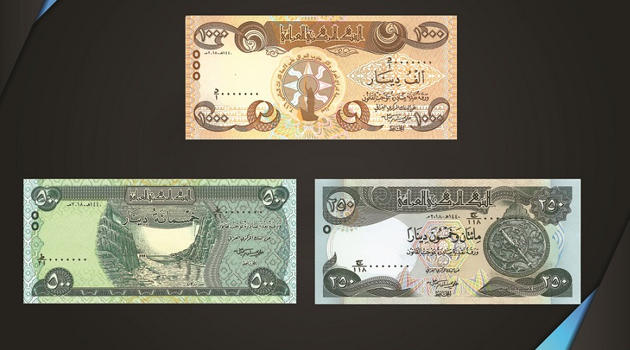
Then there’s the confusion people often hear about “removing zeros.” This is not a magic event. It’s just a technical change. If three zeros are removed, 1,000 old dinars become 1 new dinar. The value doesn’t change. You don’t get richer.
On top of that, the dinar is very hard to trade. The market is not open and competitive. Dealers set wide buy and sell prices, so investors lose money just entering and exiting. Even if the currency moved up a bit, those costs would eat into any gains.
None of this means Iraq has no future. It’s a tough country that has survived a lot. It still produces oil, still functions, and still has real assets.
But it also has a heavy payroll, weak diversification, and constant financial pressure.
A country trying to make payroll each month is not planning a currency jackpot.
For people holding dinar, the pattern will likely stay the same. Promises, delays, new predictions, and more waiting. The story keeps moving forward, but the result doesn’t change.