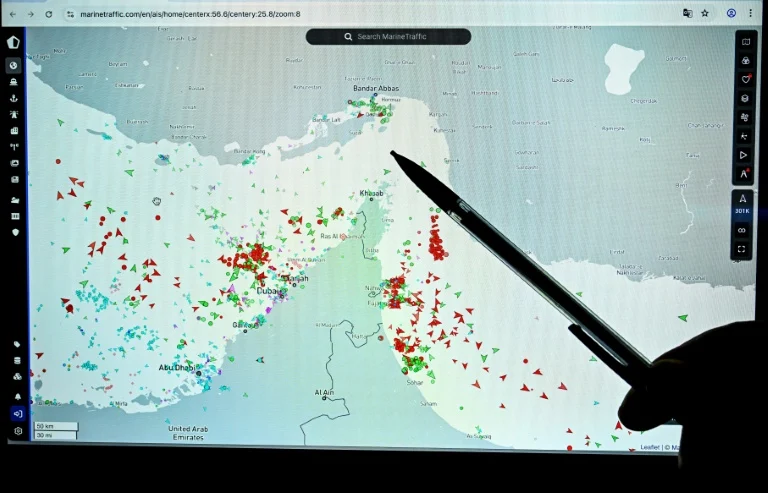
Asian markets mostly rose Wednesday while oil prices dipped, following another tech-led rally on Wall Street. The gains come amid ongoing conflict in the Middle East, where the US struck Iranian missile sites near the Strait of Hormuz, and Iran responded by targeting Gulf oil producers.
Even though oil remains above $100 a barrel, threatening inflation, investors are returning to equities after steep losses at the start of the war. Analysts warn that the positive sentiment could fade if the crisis continues and energy costs spike, especially with the Strait of Hormuz carrying about a fifth of global oil and gas.
US forces dropped 5,000-pound bombs on fortified Iranian missile sites to keep the strait open. Meanwhile, Iran has retaliated, and Saudi Arabia and Kuwait have intercepted missiles and drones. Israel also announced the killing of Iran-backed security chief Ali Larijani and carried out strikes in Beirut against Hezbollah targets.
Rystad Energy estimates only 12.5 million barrels per day of Middle Eastern oil are currently online, down from 21 million bpd before the war. Oil prices fell slightly, with West Texas Intermediate at $95 and Brent at $102, though both remain high.
Stock markets were mixed in Asia: Seoul jumped over 3%, Tokyo gained more than 2%, while Hong Kong and Shanghai dipped. Gains in the region were largely fueled by tech giants on Wall Street, including Apple and Amazon.
Analysts note that markets are trying to look past the geopolitical noise, but if the conflict drags on, risks remain, especially with other NATO members choosing not to join.
Investors are also watching the Federal Reserve’s policy meeting, expected to hold interest rates steady while providing forecasts for the months ahead.
Key figures around 0230 GMT:
- Brent Crude: $102.66, down 0.7%
- WTI Crude: $95.03, down 1.2%
- Nikkei 225: 54,898, up 2.2%
- Hang Seng: 25,829, down 0.2%
- Shanghai Composite: 4,041, down 0.2%
- Dow: 46,993, up 0.1%
- FTSE 100: 10,403, up 0.8%
- Dollar/Yen: 159.00