Iraq is facing a serious internal challenge in managing its water resources, with current efficiency levels not exceeding 36%, according to Khalid Shamal, spokesperson for the Ministry of Water Resources.
In a press statement on Tuesday, Shamal said the low efficiency is largely due to widespread losses in water transport networks and the continued reliance on traditional irrigation methods. He explained that raising efficiency to around 60% would require major engineering projects and substantial financial funding, both of which remain difficult under current budget constraints.
Shamal stressed that limited financial allocations are one of the biggest obstacles preventing the implementation of strategic water projects. He emphasized that the water issue must be treated as a national priority because of its direct link to water security, food security, and the daily lives of citizens.
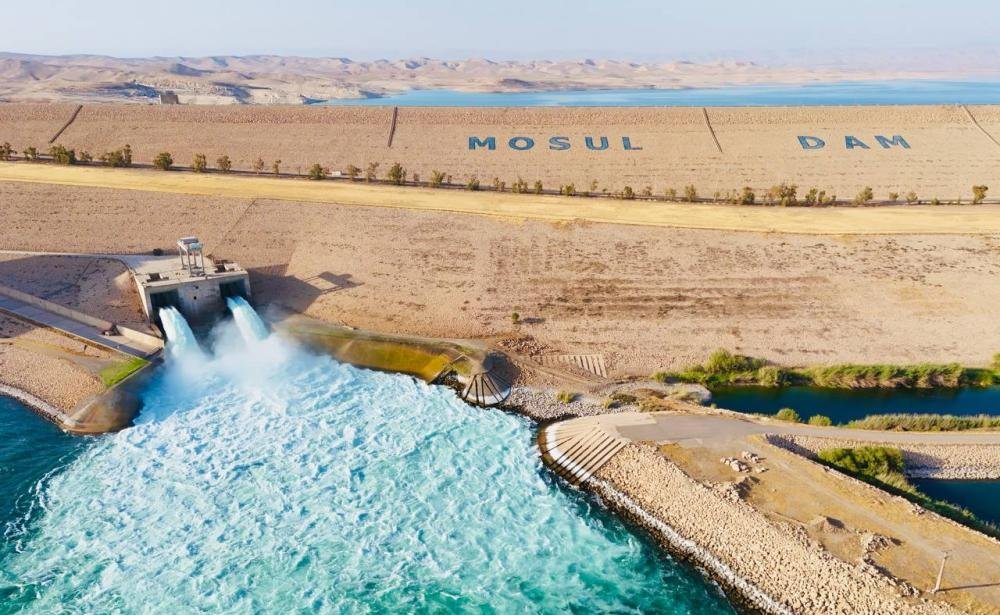
He also pointed to regional factors worsening Iraq’s water challenges, noting that the large-scale expansion of dams and storage facilities in upstream countries has significantly reduced water flows into Iraq. In particular, Turkey’s growing dependence on hydroelectric power has driven it to construct dams and reservoirs at levels higher than originally planned, directly impacting the volumes of water reaching Iraqi territory.
Regarding Iran, Shamal said its impact on Iraq’s water resources is relatively limited, as it mainly affects some eastern tributaries of the Tigris River and does not extend to the Euphrates River.
He added that the ministry is currently updating its strategic water study covering the period from 2015 to 2035. This updated plan will include clear indicators of Iraq’s financial and technical needs, alongside proposed solutions to maximize available water resources. Among the key options being explored is seawater desalination to secure drinking water for Basra Governorate, despite the high costs associated with such projects.
Overall, the ministry sees improving water management efficiency and securing sustainable funding as critical steps to addressing Iraq’s growing water crisis.