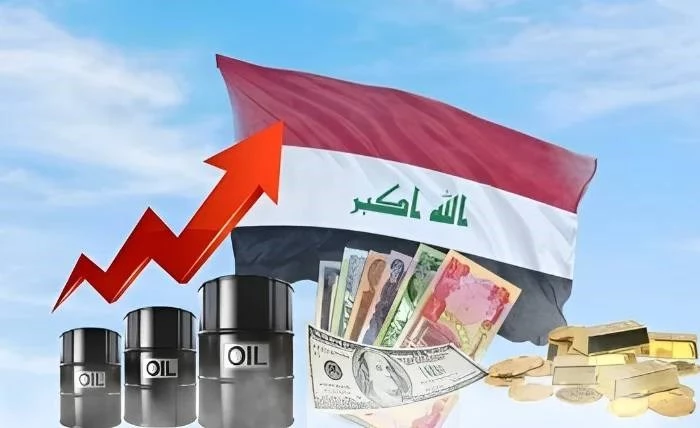
Iraq’s economy is going through a very serious crisis right now, driven by a sharp drop in oil exports. Ongoing regional tensions and the disruption of key shipping routes have hit the country hard, cutting off its main source of income.
Recent data shows just how bad things have become. Oil exports have fallen from around 4 million barrels per day to only about 1.3 million. That’s a massive drop—and since Iraq depends heavily on oil, it’s putting huge pressure on the national budget.
The situation is so severe that revenues may have fallen by as much as 90%. This has raised real concerns about whether the government can continue paying salaries and meeting its financial commitments in the coming months.
Mohammed Al-Bayati spoke about the الأزمة, saying Iraq has effectively lost between 85% and 90% of its income because of the war’s impact. He pointed out that exports through Ceyhan port are currently covering only a small portion—around 7% to 10%—of what the country actually needs.
He warned that this is a clear signal for urgent action. Iraq, he said, cannot continue relying almost entirely on oil. The country needs to find new sources of income and develop alternative export routes to keep revenues stable and reduce the impact of external shocks.
Economic experts are also sounding the alarm. They say if exports keep falling at this rate, the consequences won’t just be economic—it could start affecting political and social stability as well.
Their message is straightforward: Iraq needs to move away from a rent-based economy and build a more diverse system that can handle crises like this.
Right now, the government’s options are limited. It may have to rely on central bank reserves or take tough financial measures. But time is critical. Quick decisions are needed to keep cash flowing and prevent a deeper financial breakdown.