Asian countries are turning to coal to keep the lights on and energy prices under control after the Iran war disrupted oil and gas supplies—but the crisis could push them toward renewables in the long run.
Much of Asia relies heavily on imported oil and LNG, much of it passing through the Strait of Hormuz. Pakistan, India, and Bangladesh have been hit especially hard after Iranian attacks cut Qatar’s LNG export capacity by 17 percent, with warnings that some long-term contracts may not be fulfilled. Many countries also lack underground gas storage, leaving them vulnerable to price spikes.
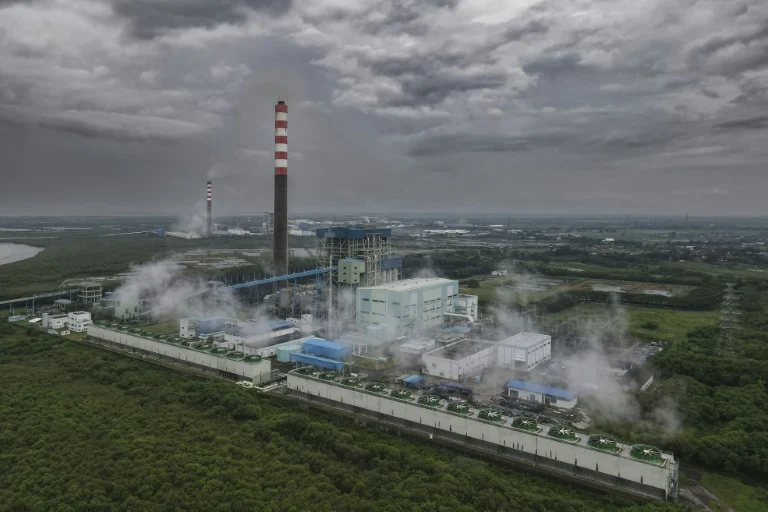
To cope, nations are ramping up coal use. In South Korea, limits on coal power were lifted, while Thailand is restarting two decommissioned units. India is even replacing some cooking gas with coal, and the Philippines plans to boost coal, domestic gas, and renewables. Higher coal demand has pushed prices up, with Indonesia reconsidering coal production policies.
While this shift increases greenhouse gas emissions and air pollution in the short term, analysts say it highlights the risks of relying too much on imported fossil fuels. Countries with more solar and renewable energy, like Vietnam, are better shielded from price shocks.
Experts also note that LNG, often called a “transition fuel,” is showing its limits. Renewables may cost more upfront, but they provide long-term stability and help avoid reliance on volatile imports. The current energy crunch could push Southeast Asian governments to invest more in clean energy, balancing immediate needs with climate goals.
As Putra Adhiguna from the Energy Shift Institute put it: the crisis is making policymakers rethink spending on renewables, because energy security might now outweigh upfront costs.
The situation shows that while coal is a temporary fix, the real opportunity may be a faster push toward renewable energy infrastructure.