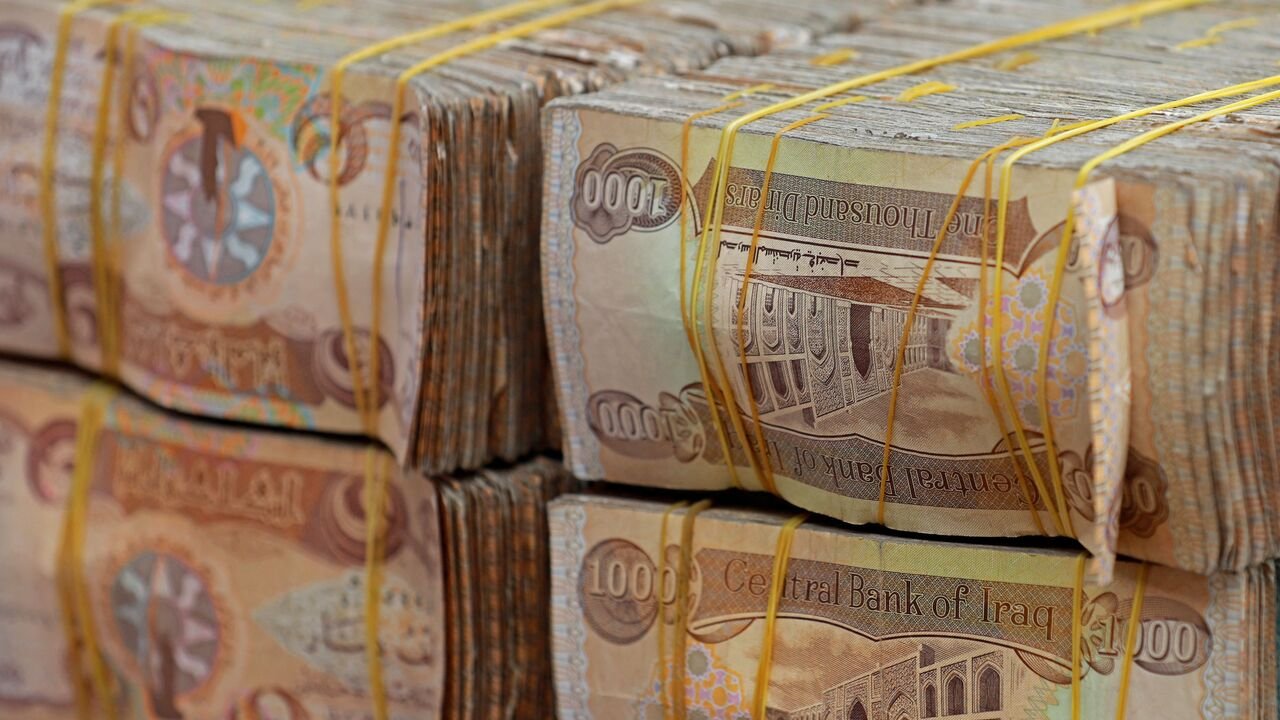
Economic expert Manar Al-Obaidi says Iraq’s real economic problem is clear and deep: the country does not produce enough outside of oil.
Speaking on Tuesday, Al-Obaidi explained that when oil is removed from the picture, Iraq’s economy looks weak — so weak that the average Iraqi’s share of real production is similar to that of resource-poor countries.
He said the size of Iraq’s non-oil economy does not exceed 90 trillion dinars. About half of that goes straight to government salaries and public employment. What’s left from the private sector equals only about $38 billion.
When that number is divided by the population, the result is shocking.
Each Iraqi produces only about $850 per year in real economic value.
Al-Obaidi said this proves that today’s living standards are not driven by productivity, but by oil money. Most private sector activity, he explained, is based on trade and imports, not manufacturing or exports. And those imports are paid for using foreign currency earned from oil sales.
In short, the private sector is trapped in the oil cycle — spending oil money, not creating new value.
To break out of this cycle, Al-Obaidi said Iraq needs real structural change, not temporary fixes. He outlined five key steps.
First, he called for the full privatization of the banking sector, so banks operate with an investment mindset and actually finance development instead of just handling salaries.
Second, Iraq must support large industrial projects that can export, compete internationally, and bring foreign currency into the country.
Third, tourism and services should be turned into real, sustainable industries, not side activities — industries that earn hard currency year after year.
Fourth, Iraq needs to simplify business rules and improve the investment environment to attract local and foreign capital.
Fifth, he stressed the importance of trade diplomacy, pushing exporting countries to invest inside Iraq by building factories instead of only selling goods to Iraqi consumers.
Al-Obaidi warned that if Iraq continues down its current path, it will remain nothing more than a consumer market, living at the mercy of oil price swings — with productivity levels no better than the poorest countries in the world.
His message was blunt: without real production, oil wealth alone will never build a strong economy.