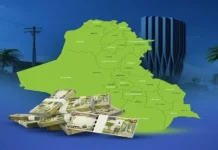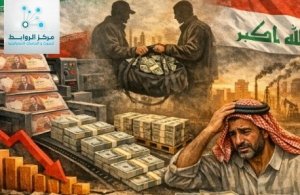
Right now, Iraq’s economy is under real pressure, especially when it comes to keeping its currency stable. A big reason for this is what’s happening outside the country—especially US sanctions on Iran. Because official dollar trade with Iran is restricted, people have started using unofficial ways to get dollars from inside Iraq. And that’s putting serious pressure on the Iraqi dinar.
Think of it this way: dollars are quietly leaving the system, but nothing is coming back to balance it—no extra production, no real economic growth. So demand for dollars keeps rising, especially in the black market, while the official supply stays tight under central bank rules. When that happens, the dinar naturally loses value.
But the problem doesn’t stop at the exchange rate. These unofficial markets are making it harder for the central bank to do its job. When more money moves outside the system, the bank loses control over cash flow and stability. It’s like trying to steer a car when half the steering wheel isn’t connected anymore.
At the same time, this situation is feeding what people call the “shadow economy”—business activity that happens off the books. This kind of economy doesn’t pay taxes, isn’t monitored, and often opens the door to corruption, smuggling, and even money laundering. When dollars circulate outside banks, the risks grow even more.
For everyday people, the impact is immediate. Iraq depends heavily on imports, so when the dinar drops, prices go up. Food, goods, basic needs—all become more expensive. And it’s the low-income families who feel this the most.
Looking at the bigger picture, Iraq is in a tough spot regionally too. Its economy is closely tied to the dollar and to neighboring countries, so when political pressure or sanctions hit the region, Iraq feels it quickly. That makes the country more vulnerable than it should be.
So what can be done? In the short term, there needs to be tighter control over the currency market—better monitoring, stricter rules, and action against illegal dollar trading. But the real solution is long-term. Iraq needs to rely less on imports and the dollar. That means boosting local production, supporting industries beyond oil, and building a stronger, more balanced economy.
At the end of the day, the falling value of the dinar isn’t just a currency issue. It’s a sign of deeper problems in the economy. Fixing it will take more than quick solutions—it will require real change, smart policies, and a clear focus on sustainable growth.