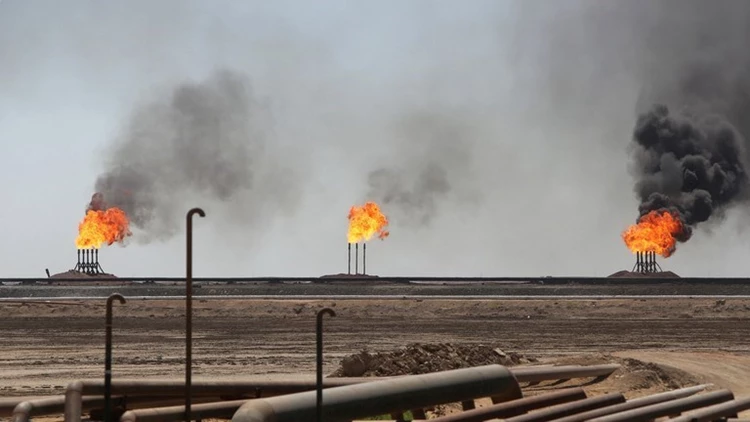
Oil prices from Iraq sent mixed signals on Thursday. While global oil prices were going up, Iraq’s own crude—Basra Heavy and Basra Medium—actually dropped sharply.
Basra Heavy crude fell by about $11, dropping nearly 10% to around $98 per barrel. Basra Medium saw a similar drop, falling to just over $100 per barrel. That’s a big decline in a single day, especially when the global market was moving in the opposite direction.
So what’s going on?
Globally, oil prices rose by more than 4% after Donald Trump said the United States would continue its attacks on Iran, including strikes on energy and oil facilities. Normally, tensions like this push oil prices higher because they create fears about supply disruptions.
But Iraqi oil doesn’t always follow global prices directly. Its pricing depends heavily on where it’s being sold.
For example, oil exports going to Asia are priced based on the average of Dubai crude oil and Oman crude oil. Exports to Europe are linked to Brent crude, while shipments to the United States are tied to West Texas Intermediate.
Each of these benchmarks moves differently depending on regional demand, supply conditions, and market sentiment. On top of that, Iraqi oil is often sold at a discount or premium depending on quality and competition in each market.
So even if global oil prices are rising, Iraqi crude can still fall if demand weakens in its main markets, or if pricing formulas and discounts shift.
In simple terms, the drop in Basra oil prices shows that global headlines don’t always tell the full story. Regional demand, pricing formulas, and market competition can pull prices in a completely different direction.