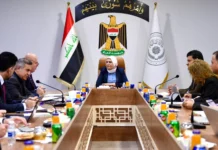
The Central Bank of Iraq has announced that it has completed the main phase of its reform program for banks operating in the country.
The reforms apply to commercial banks, Islamic banks, and foreign bank branches working inside Iraq.
Three options for banks
According to the central bank, all Iraqi banks have now submitted the required documents under what it calls the “minimum requirements” framework.
Each bank had to choose one of three paths:
- Continue operating as an independent bank
- Merge with another banking institution
- Exit the market entirely
These submissions will allow the central bank to evaluate whether each bank meets the new reform standards. In the coming months, banks that fall short will be expected to fix any problems and work toward full compliance.
Boosting international trade
The central bank also revealed a new step aimed at strengthening private banks and helping them support international trade.
Banks that meet the central bank’s criteria will be allowed to resume cross-border transactions and issue letters of credit in several international currencies, including:
- Euro
- UAE dirham
- Chinese yuan
- Jordanian dinar
Part of a bigger financial reform
The Central Bank said these steps are part of a broader plan to restore confidence in Iraq’s banking sector, connect it more closely with global financial systems, and support long-term economic growth.
Officials believe stronger, better-regulated banks will also make it easier for Iraqi businesses to trade with international partners.