The US dollar could soon rise to 150,000 Iraqi dinars for every $100, according to Jabbar Koran, the spokesperson for the Al-Sulaimaniyah currency exchange market.
Speaking on Monday, Koran said the main reasons are strong demand for dollars and not enough dollar supply coming from the Central Bank of Iraq. He pointed out that the exchange rate has already gone up in recent days, crossing 148,000 dinars per $100.
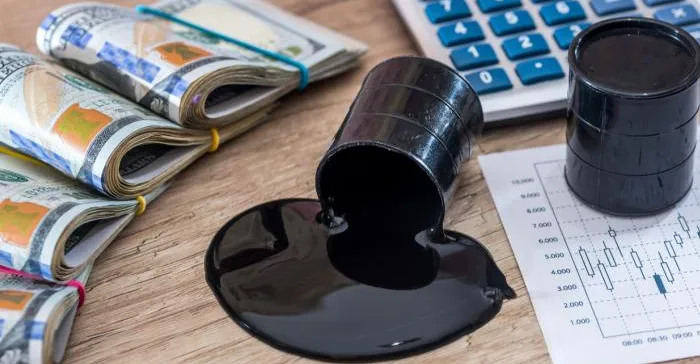
In comments to Shafaq News, Koran explained that the problem doesn’t stop there. He said falling global oil prices are making the situation worse. When oil prices drop, Iraq earns less money, which limits how much the Central Bank can inject into the market—especially at a time when government spending inside the country is rising.
He also noted that Iraq cannot simply export more oil to fix the problem. That’s because oil production is restricted by OPEC+ quotas, which control how much oil member countries are allowed to produce.
As a possible solution, Koran suggested a different approach. Instead of exporting more crude oil, Iraq could invest its excess oil by refining it into products like gas and gasoline, then exporting those products to nearby countries such as Türkiye and Syria.
He added that one of Iraq’s biggest challenges is the limited number of refineries. Because of this, he called for better use of the existing refineries in the Kurdistan Region to help increase production.
Meanwhile, data from the Ministry of Finance shows how dependent Iraq still is on oil. From January to August 2025, the federal budget brought in more than 82.3 trillion dinars, or about $62.9 billion. Oil revenues made up 90% of that total, bringing in 73.8 trillion dinars, while non-oil income reached only 8.5 trillion dinars.
This heavy reliance on oil means that any drop in prices quickly affects the currency—and that pressure is now being felt in the dollar exchange rate.