As the world talks more and more about clean energy, many people are asking the same question: what happens to oil? For countries like Iraq, which depend heavily on oil money, this question comes with real fear. But experts say the situation is not as simple as “oil is ending.”
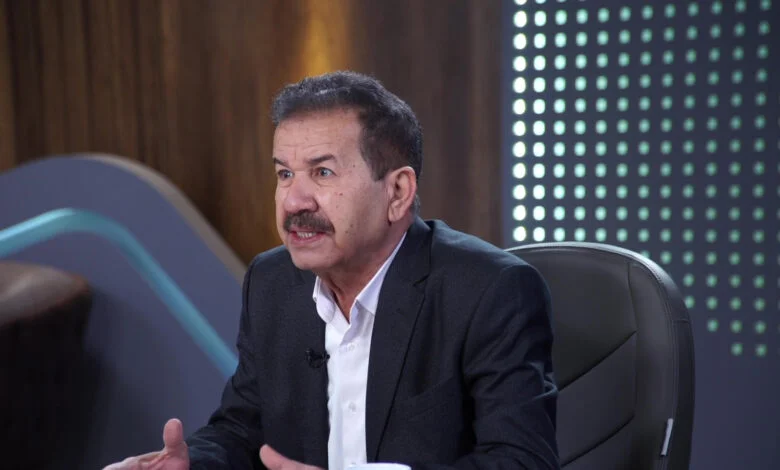
Energy expert Yahya Al-Aqabi says Iraq is not about to lose its oil importance anytime soon. The country holds huge oil reserves, around 151 billion barrels, and currently produces about 4.5 million barrels a day. Most of that oil goes to Asian countries like China and India, where demand is still strong and steady.
Even as the world slowly moves toward renewable energy, oil is not disappearing. Major organizations like OPEC and the International Energy Agency expect oil to remain a major part of global energy use. By 2050, oil is still expected to make up around 30 percent of global energy, while renewables will be closer to 25 to 26 percent. That means Iraqi oil will likely stay in demand, especially because it is relatively cheap and high quality.
Al-Aqabi explains that clean energy growth is mainly happening in electricity production. That reduces the use of oil for power generation, but oil is still heavily used in other areas. Industries like refining, petrochemicals, and heavy manufacturing still rely on oil, and they make up a large share of global demand.
According to Al-Aqabi, the real risk for Iraq is not clean energy itself. The real problem is how Iraq manages its oil wealth. The country depends almost entirely on selling crude oil to fund the state budget. At the same time, there is very little investment in refining, petrochemicals, and natural gas, and no clear plan to create other sources of income beyond oil.
He warns that Iraq has a limited window of time to benefit from its low-cost oil advantage. If the country fails to act now, it could face serious financial and economic shocks when oil prices fall or demand weakens — even if oil is still being used globally.
Al-Aqabi stresses the need to focus on oil derivatives, petrochemical industries, and natural gas development. Gas, in particular, can be turned into valuable products and used as a cleaner energy source inside Iraq to support the economy.
He ends with a clear message: the world is changing fast. Iraq now faces a critical choice. Will it use its oil wealth to build a strong and sustainable economy, or will it stay trapped in oil dependence, along with all the financial and political risks that come with it?