Legal expert Ali al-Tamimi has outlined the legal framework and international decisions that continue to shape U.S. Federal Reserve oversight of Iraq’s oil revenues, while pointing to possible paths toward restoring full financial sovereignty.
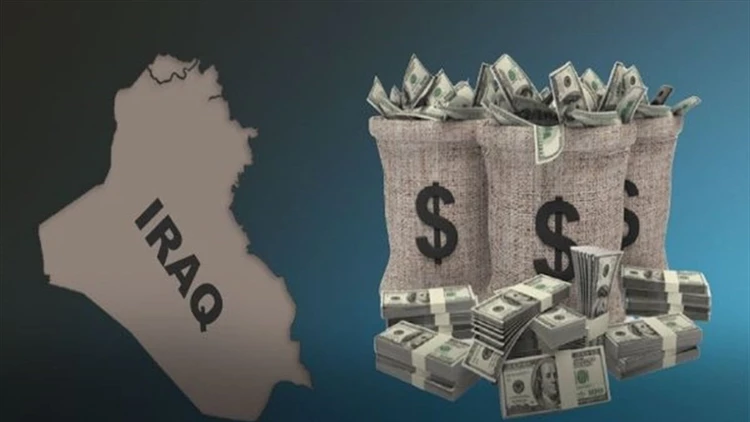
In a statement to dinaropinions.com, al-Tamimi explained that UN Security Council Resolution 1483, issued in 2003, required Iraq to deposit its oil and gas revenues into a special account held at the U.S. Federal Reserve and placed under international supervision. He noted that this arrangement was later reinforced by Executive Order 13303, issued by former U.S. President George W. Bush, which granted Iraq’s funds immunity from seizure. According to al-Tamimi, this order is still in effect under the justification of protecting Iraq’s economy.
He stressed that full liberation from these restrictions cannot be achieved unilaterally, but would require international action through the UN Security Council to repeal or amend Resolution 1483—a process that would need the agreement of all five permanent members. Al-Tamimi added that while Security Council Resolution 2231 of 2015 lifted many previous constraints on Iraq, it did not fully resolve all issues related to financial control and sovereignty.
At the same time, al-Tamimi argued that Iraq still has practical options to strengthen its financial independence. These include reducing reliance on the U.S. dollar, diversifying fiscal and monetary policy tools, and expanding alternative mechanisms for managing revenues.
He called on the Iraqi government to leverage bilateral agreements with Washington to improve financial management arrangements, while carefully balancing international commitments to avoid exposing the national economy to sudden or destabilizing shocks.
Overall, al-Tamimi framed Iraq’s path toward full financial sovereignty as a gradual legal and economic process, requiring both international diplomacy and internal policy reform rather than a single decisive step.