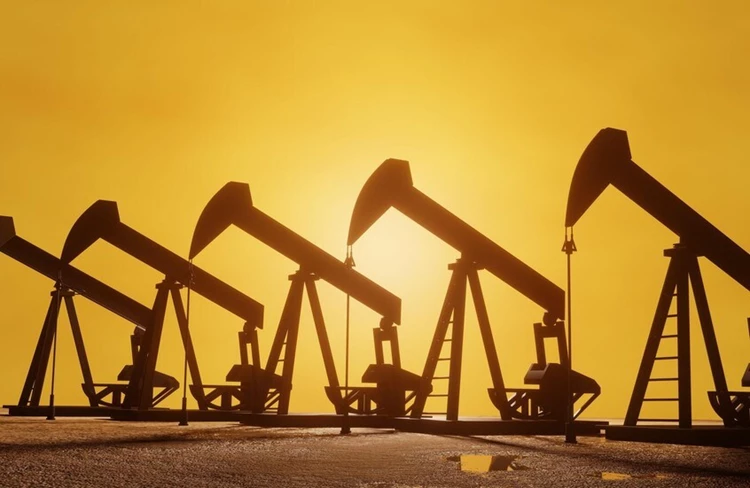
The International Energy Agency (IEA) has sharply revised its long-term outlook for global oil consumption, projecting continued growth in demand until at least the middle of the century — a major departure from its earlier predictions of an imminent decline.
In its latest report, the IEA’s “current policies” scenario now forecasts global oil demand to rise by 13% by 2050, reaching 113 million barrels per day, up from roughly 100 million barrels today.
Slower EV Transition Shapes New Forecast
The updated outlook reflects what the agency calls a more “realistic assessment” of the world’s energy trajectory, particularly given the slower-than-expected shift toward electric vehicles (EVs) and renewable energy.
IEA Executive Director Fatih Birol said the revision stems from “increasing uncertainty in political, economic, and energy contexts,” emphasizing that the change was not influenced by U.S. pressure or lobbying.
“The main reason behind the new scenarios is the growing uncertainty across the global landscape,” Birol explained.
A Gradual Shift in the IEA’s Approach
The latest update marks another step in what analysts describe as the IEA’s ongoing recalibration of its stance on fossil fuels.
Just months earlier, in September, the agency urged governments and companies to invest billions of dollars in new oil and gas projects — a noticeable shift after years of warning that such investments could undermine global climate goals.
This change has been viewed as an acknowledgment that energy transition timelines may be more prolonged than previously anticipated, as developing nations continue to rely on affordable fossil fuels for growth and stability.
OPEC Welcomes the Reassessment
The Organization of the Petroleum Exporting Countries (OPEC) quickly welcomed the IEA’s revised outlook.
In a statement from its Vienna Secretariat, OPEC said:
“The IEA’s previous bold claims have now met with reality. Its recurring declarations of an imminent oil demand peak were nothing more than slogans.”
OPEC has long argued that forecasts predicting a near-term decline in oil consumption were overly optimistic about the pace of decarbonization and unrealistic about global energy demand, especially in emerging economies.
Global Energy Context
The IEA’s new stance underscores the complexity of balancing climate ambitions with economic and energy security priorities.
While renewable energy capacity continues to grow, many countries — particularly in Asia and the Middle East — are still expanding fossil fuel use to meet industrial and consumer needs.
Analysts note that this revised outlook could reshape investment flows, giving oil producers renewed confidence to expand production capacity after years of uncertainty over long-term demand.
As the world approaches mid-century, the debate between energy transition advocates and traditional producers is likely to intensify — but for now, the IEA’s new report suggests one clear message:
Oil isn’t going away anytime soon.




 has sharply revised its long-term outlook for global oil consumption, projecting continu...)