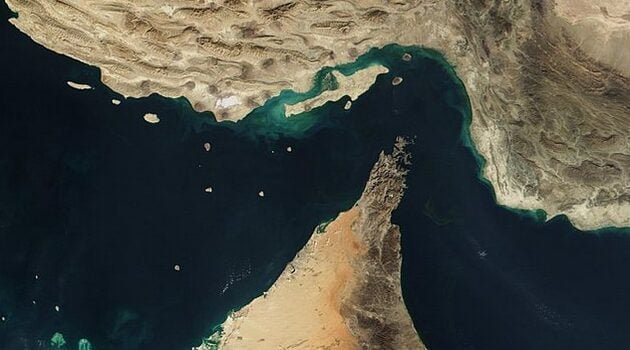
Iran is reportedly charging ships up to $2 million for safe passage through the Strait of Hormuz, according to reports cited by Deutsche Welle.
If confirmed, such payments would likely violate international maritime law, since the strait is considered a key global shipping route where free navigation is protected.
Iran, however, has not officially closed the waterway. Its Foreign Ministry said the strait remains open, but warned that vessels linked to what it called “aggressor parties”—including the United States and Israel—may not be treated as normal commercial traffic. Instead, they could face actions under what Iran describes as a legal framework tied to ongoing hostilities.
This creates a highly uncertain environment for global shipping. The Strait of Hormuz is one of the world’s most critical النفط routes, with a large share of global oil and trade passing through it every day.
At the same time, companies are adjusting. COSCO Shipping said it has resumed bookings for cargo shipments to Upper Gulf countries, including Iraq. Instead of relying entirely on direct sea routes, the company is using a “bonded land bridge” system—moving goods through ports like Khorfakkan and Fujairah, then transporting them overland to Abu Dhabi before reconnecting to its shipping network.
In simple terms, tensions are not just political—they’re now directly affecting global trade routes, shipping costs, and how goods move across the region.