Iraq is starting to take a closer look at how it can keep up with new global rules on carbon emissions, especially those coming from the European Union. One of the big changes is something called the Carbon Border Adjustment Mechanism, or CBAM.
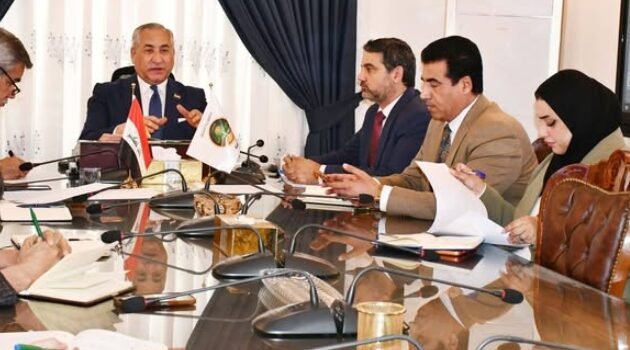
Recently, a group of government officials met to talk about what this means for the country. The meeting was led by the Ministry of Environment, and several other government departments joined in. Riyadh Fakher Al-Hashemi, who works in the Ministry of Trade, explained that they focused on industries that produce a lot of emissions. This includes sectors like oil, aluminum, iron, and cement.
The main concern is simple: how will these new rules affect Iraq’s trade and future investments?
To deal with this, the committee is working on a national plan. The goal is to help Iraq adjust without falling behind. They want to encourage companies to invest in cleaner and more modern production methods. They also want to make sure that any new factories meet international environmental standards from the start.
Another key aim is to help Iraqi products stay competitive in global markets. If companies don’t adapt, their goods could become more expensive to sell in places like Europe because of carbon-related costs.
At its core, this plan is about balancing two things—growing the economy while also meeting environmental expectations.
The European Union says CBAM is meant to make things fair. It puts a price on the carbon used to make certain goods that are imported into Europe. The idea is to push countries outside the EU to adopt cleaner ways of producing goods.
For Iraq, this is both a challenge and an opportunity. It means change is coming—but it also opens the door to building a more modern and competitive industrial sector.