ECO Iraq Observatory has revealed a shocking gap in Iraq’s electricity finances.
According to the group, Iraq spends nearly 600 billion Iraqi dinars every month on the electricity sector — that’s about $397 million. But here’s the problem: the government only collects around 1% of that amount from electricity bills.
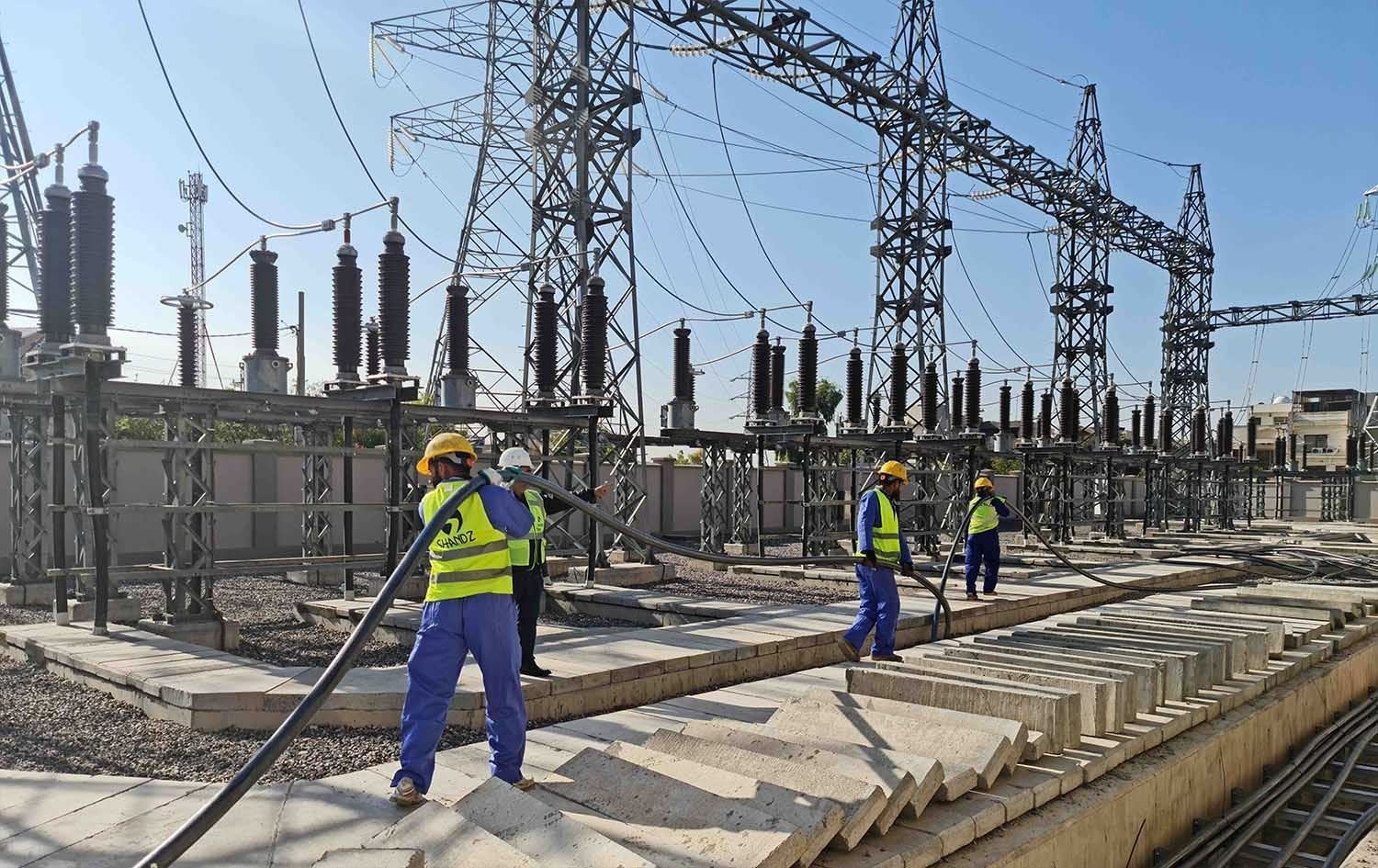
In simple terms, the Ministry of Electricity is spending hundreds of billions of dinars each month on salaries, maintenance, and fuel. Yet it recovers no more than one billion dinars in monthly bill payments.
That’s a massive imbalance.
The observatory called this a serious failure in the collection system. They said it shows weak financial discipline and poor enforcement. When spending keeps rising but revenue barely moves, the gap gets wider. And that gap adds more pressure to Iraq’s already strained budget.
Even with all this spending, electricity supply still falls short.
Right now, Iraq produces about 28,000 megawatts of power. But the country needs around 50,000 megawatts, and in the summer that demand jumps to 55,000 megawatts. That means millions of Iraqis continue to deal with shortages, especially during the hottest months.
ECO Iraq says the current system isn’t working. They argue that real reform is needed. One suggestion is to privatize the electricity sector or bring in the private sector more effectively. The goal would be to reduce waste, improve efficiency, stabilize supply, and make sure bills are actually collected fairly.
The situation is especially frustrating because Iraq is one of the world’s largest oil producers. Despite its energy wealth, the country still struggles to provide stable electricity and often relies on imported energy to meet demand.
At the same time, Iraq is operating for the second year in a row under the so-called “1/12 financial management rule.” This rule allows the government to spend each month only one-twelfth of the previous year’s operational budget because a full federal budget has not been approved. While it keeps basic spending going, it limits flexibility and makes deeper reforms harder to implement.
In short, Iraq is spending huge amounts on electricity, collecting almost nothing in return, and still not meeting demand. Without serious changes to how the sector is managed and funded, the financial strain — and the power shortages — are likely to continue.