Iraq is moving quickly to complete its electricity interconnection project with the Gulf Cooperation Council, as part of efforts to strengthen the national grid and diversify energy sources.
The Ministry of Electricity says the project is now 94 percent complete and is expected to become operational soon. Ministry spokesperson Ahmed Musa told Iraq’s official newspaper that the rapid progress in construction work clears the way for the project to be launched in the near future. He said the connection will significantly improve electricity supply in the provinces that will be linked to the grid.
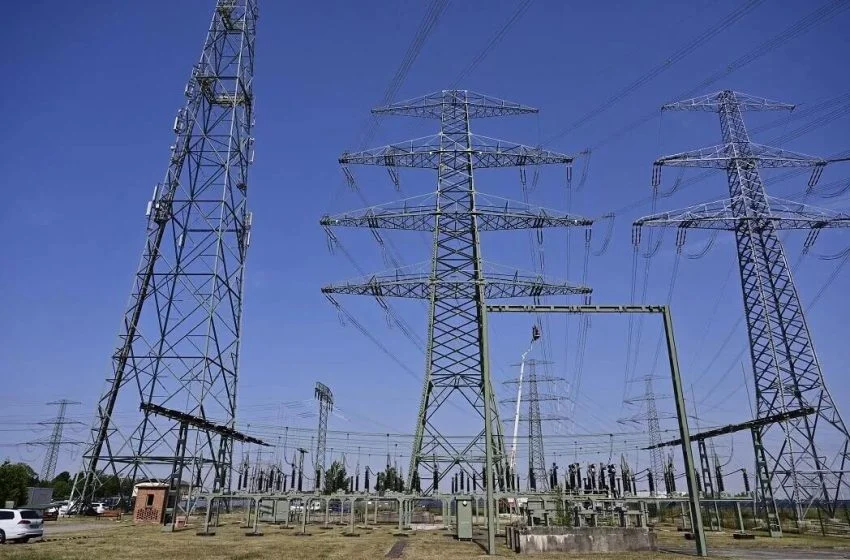
The project connects southern Iraq’s transmission network to the GCC electrical grid. Officials say this step will boost the stability and reliability of Iraq’s power system, especially during peak demand seasons.
This interconnection marks another milestone in regional energy cooperation. Iraq has already completed an electricity link with Jordan and has begun phases of interconnection with Turkey. The GCC project represents a broader push to integrate Iraq more closely with neighboring power networks.
Back in October 2023, the Gulf Cooperation Council Interconnection Authority projected that the link would provide Iraq with up to two million megawatts during the summer and 500,000 megawatts in the winter. Under current plans, Iraq could import around 3.94 terawatt-hours of electricity each year from GCC countries.
Officials say the project could help Iraq save up to $175 million annually due to more competitive pricing compared to locally generated power. At the same time, the value of electricity imported through the link is expected to range between $200 million and $300 million per year.
Beyond the financial impact, the project gives Iraq another stable source of electricity at a time when demand continues to grow. Authorities describe the current phase as a key step toward strengthening the national power system and reducing heavy reliance on limited supply sources, while preparing for additional regional interconnection projects in the future.