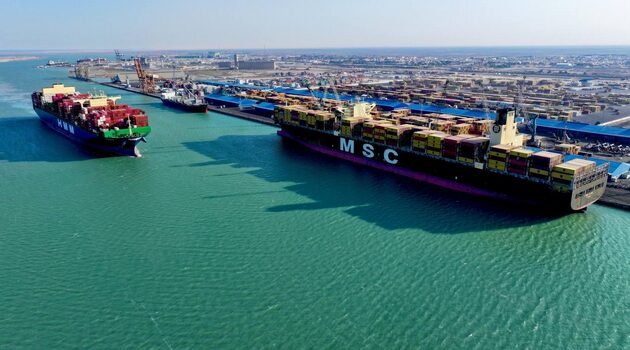
Iraq’s General Customs Authority recorded its highest-ever monthly customs revenues in January 2026, surpassing IQD 137 billion (approximately USD 105 million), following the implementation of regulatory and administrative reforms.
In a statement, the Authority said the increase was driven by the full enforcement of Decision No. 957 across all customs centers, which enhanced revenue collection efficiency, improved compliance, and modernized operating mechanisms in line with professional standards aimed at balancing trade facilitation with the protection of public funds.
The Authority acknowledged that some border crossings experienced limited slowdowns during the initial rollout of the new procedures. However, it emphasized that the measures have since produced clear positive results, including improved organization, more efficient revenue collection, smoother workflows, and increased confidence in the customs system—supporting medium-term trade stability.
It stressed that the updated procedures do not affect essential goods or basic commodities directly tied to daily living needs, reaffirming its commitment to maintaining market stability and ensuring the availability of goods at reasonable prices.
The Authority said further revenue growth is expected in the coming months, supported by several measures, including:
- A 25% reduction in assessed value rates within the ASYCUDA customs system
- Exemptions for accumulated goods from additional fees
- Accelerated customs procedures to reduce processing times
- Reopening closed manifests to support traders and improve the flow of goods
The statement also rejected media reports claiming that the new tariff structure had resulted in revenue losses, describing those claims as inaccurate. This followed comments by Iraqi economist Nabil Al-Marsoumi, quoted by Iraqi News, who warned of “catastrophic consequences” for Iraq’s economy following the implementation of the ASYCUDA automation system.
According to the Authority, current import levels—estimated at 25%—are generating revenues comparable to those recorded before Decision No. 957 was introduced.
The statement concluded by reaffirming the Authority’s commitment to continued institutional modernization, stronger cooperation with public and private sector stakeholders, enhanced transparency, and support for the national economy while maintaining a balance between facilitating trade and safeguarding public revenues.