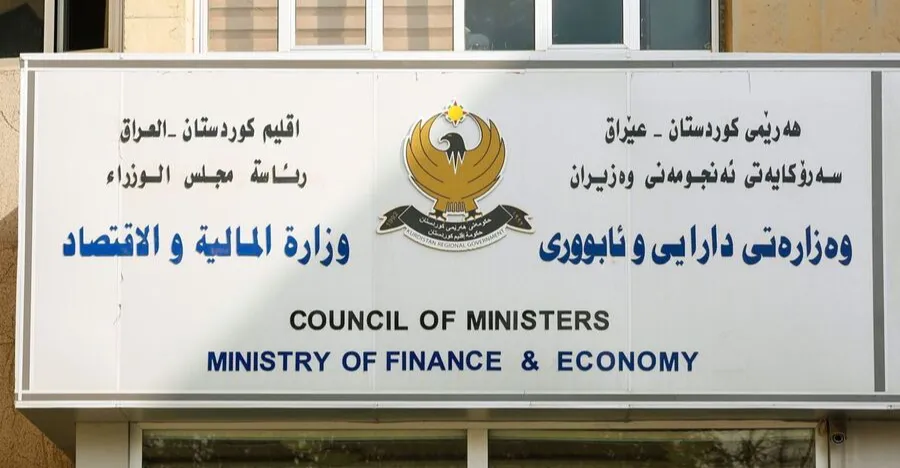
The Kurdistan Region’s Ministry of Finance and Economy has denied reports claiming that a new salary payment system will be introduced in 2026. The ministry confirmed that it has not received any instructions from Baghdad regarding salaries or pensions.
In an official statement released on Sunday, the ministry said there is no new agreement and no change to the current salary payment process. It explained that there are no technical or administrative problems preventing the submission of payroll data or trial balances. However, any salary payments for 2026 will depend entirely on official directions from the federal government in Baghdad.
The ministry warned against politicizing the salary issue, saying it only creates confusion and damages trust among employees and retirees. It also cautioned people not to spread misleading information, especially claims involving large figures such as 120 billion Iraqi dinars, which it described as inaccurate.
Salary problems between Baghdad and the Kurdistan Region have continued since March 2023, when oil exports through Turkey’s Ceyhan port were stopped following an international arbitration ruling in favor of the federal government. After that, Baghdad tied salary payments to the transfer of oil revenues and began treating funds sent to the Region as temporary advances rather than regular budget allocations.
Oil exports through Ceyhan resumed in late September 2025 under an agreement between Baghdad and Erbil. That deal was initially set to last three months and renews automatically unless either side objects, according to Kurdistan Regional Government spokesperson Peshawa Hawramani.
Under the current revenue-sharing arrangement, the Kurdistan Regional Government is required to hand over both oil and non-oil revenues to Baghdad in exchange for financial entitlements, mainly salaries. However, Kurdish officials say the Region has received only about 41 percent of what it is owed over the past three years. They describe this shortfall as an “investment blockade” that has put heavy financial pressure on the Kurdistan Region.