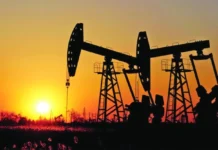
Almost every year since 2012, Iraq has ranked among the top gas-flaring countries in the world, usually right behind Russia. In 2024, it came in third place for the second year in a row, flaring about 18.2 billion cubic meters of gas. That’s roughly 12% of all gas flared worldwide.
That’s a huge amount of energy going up in smoke.
What makes this even harder to accept is that Iraq needs this gas badly. In the same year, the country used about 19.7 billion cubic meters of gas to generate power—and still had to import 7.8 billion cubic meters from Iran. In simple terms, Iraq is burning off gas it could use at home, while paying to bring gas in from outside.
Officials regularly say the flaring problem is being fixed and promise it will end “soon.” The latest goal is zero gas flaring by 2028. This time, there are some real projects behind the promise, which is encouraging.
Still, that timeline is very ambitious.
Iraq faces technical, financial, and operational hurdles that could slow things down. Building the infrastructure to capture, process, and transport gas takes time. Power plants need upgrades. Coordination between oil companies and the government isn’t always smooth. And delays are common.
So while the plan to finally tackle gas flaring looks more serious than before, a lot can still go wrong. If Iraq succeeds, it could cut electricity shortages, reduce imports, and stop wasting valuable resources. If not, the cycle of shortages and flaring may continue.
For now, the goal is clear—but the path to get there remains challenging.
The full report can be read here.