Global markets are on edge as tensions in the Middle East escalate, moving from a distant worry to a major threat for investors. What was once seen as a contained geopolitical issue now raises the risk of a broader regional conflict and potential political instability in Iran, with serious consequences for trade, energy, and inflation.
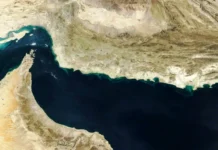
The reported killing of Iran’s Supreme Leader during U.S.-Israel military operations has thrown the country into uncertainty. In response, Iran launched strikes across the Gulf, airlines suspended flights, and oil tankers stopped transiting the Strait of Hormuz, a key energy route. For markets, the bigger concern is leadership succession—questions about who consolidates power in Iran and how forcefully the regime responds remain unanswered.
Energy markets are especially vulnerable. Oil prices, already climbing in recent weeks, jumped further as risks to shipping and production intensified. Any sustained disruption could push prices higher, fuel global inflation, and stress bond markets that investors often rely on for stability.
Investors may also be underestimating the potential fallout. In the past, markets absorbed geopolitical shocks without lasting impact, creating the belief that escalation will be contained. If that assumption fails, repricing could be sudden and severe, particularly if instability in Iran turns into a prolonged regional confrontation.
The immediate market reaction shows caution: oil prices spiked, while investors moved toward safe assets like U.S. government bonds, gold, and the dollar. Stock futures fell as the market adjusted to risks beyond what many had anticipated.
Financial vulnerabilities add to the risk. Equities remain sensitive due to stresses in private credit markets and the uncertainty around the durability of the artificial intelligence investment boom. A major escalation could trigger sharper selling pressure if stock indices decline more broadly.
The key question now is whether the conflict stabilizes or grows into a sustained regional crisis. That outcome will likely shape the direction of global markets in the coming weeks.