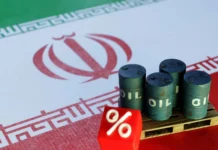
Oil prices dropped sharply in early Asian trading on Thursday, falling more than 2%, after comments from U.S. President Donald Trump eased fears of a bigger conflict with Iran.
Trump said the killings tied to Iran’s crackdown on nationwide protests were slowing down. That reduced worries about possible U.S. military action against Iran and the risk of oil supply disruptions.
Brent crude fell $1.67, or 2.5%, to $64.85 a barrel. U.S. oil, known as West Texas Intermediate, dropped $1.54, also about 2.5%, to $60.48 a barrel.
Both oil benchmarks had closed more than 1% higher on Wednesday. But most of those gains disappeared after Trump’s remarks lowered fears of a U.S. strike on Iran.
Trump said he had been told that the killing of anti-government protesters in Iran was slowing and that there were no plans for mass executions. That message calmed markets.
Analysts say the drop came from expectations that the U.S. is unlikely to take military action against Iran. Adding to the pressure were larger-than-expected U.S. oil inventories.
One strategist said that while geopolitical risks are still high and surprises can happen, U.S. oil prices are likely to stay in a range between $55 and $65 for now.
Oil prices were also weighed down by new data showing U.S. crude and gasoline stockpiles rose more than expected last week. Crude inventories jumped by 3.4 million barrels, far above forecasts that had expected a drawdown.
On top of that, Venezuela has started reversing earlier production cuts and is resuming crude exports, adding more supply to the market.
On the demand side, OPEC said oil demand should grow in 2027 at about the same pace as this year. It also sees supply and demand staying close to balance in 2026, which goes against forecasts calling for a large oversupply.
Meanwhile, China provided a bright spot for demand. The country’s crude oil imports jumped 17% in December compared to a year earlier. Total oil imports for 2025 rose 4.4%, with daily import levels hitting record highs both in December and for the full year.
In short, calmer Iran fears, rising U.S. inventories, and extra supply pushed oil prices lower, even as long-term demand signals remain mixed.