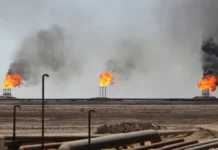
The closure of the Strait of Hormuz is starting to hit everyday life in Iraq in a very real way—especially online shopping. Deliveries are taking longer, costs are going up, and more customers are canceling their orders.
Shadha Abdul Karim, who runs an online store on social media, says the situation has become difficult. Many of her shipments pass through the strait, and now they’re delayed. As a result, customers are backing out.
She explained that customers have the right to cancel and get full refunds if their orders don’t arrive on time. But at the same time, rising shipping costs are cutting into her profits. She tried to keep prices low to attract buyers, but under these conditions, that’s getting harder.
“I feel bad that some customers didn’t get their orders on time,” she said. “But this was out of my hands. I reached out to them and explained the delays caused by the situation.”
Other sellers are facing the same problem. Hala Hamid, another online retailer, said the issue is bigger than just one or two deliveries—it’s affecting the whole supply chain. Many products come from global platforms like Shein in China, and now those shipments are slowed down.
She pointed out that both sea and air routes have been disrupted, which means higher transport costs and longer delivery times across the board.
Experts say this problem goes beyond shipping delays. The Strait of Hormuz is one of the world’s most important trade routes, especially for oil. When it’s disrupted, the effects spread quickly—fuel prices rise, shipping becomes more expensive, and global trade slows down.
Economic expert Mustafa Al-Faraj explained that online shopping depends heavily on fast and cheap delivery. When oil prices go up, shipping costs rise immediately—whether by sea or air. That makes products more expensive and reduces people’s ability to buy.
He also noted that many goods sold online come from Asia, especially China and India. With supply chains disrupted, deliveries take longer, which removes one of the biggest advantages of online shopping—speed.
On top of that, big e-commerce companies may cut back on discounts or pass the extra costs on to customers. Countries like Iraq, which depend heavily on imports, feel this impact even more.
Another expert, Ali Dadoush, highlighted a wider chain reaction. He said any disruption in the strait increases shipping costs and delays, which leads to higher prices, fewer product choices, and slower deliveries.
He also warned that lower oil revenues could put pressure on Iraq’s currency and reduce the availability of dollars. That would make imports even more expensive and weaken people’s buying power. Stricter controls on money transfers could also affect online payments, pushing some people back to cash instead of digital transactions.
In simple terms, the situation could lead to a tough mix: higher prices, lower demand, and less confidence from consumers. While there may be some small فرص for local businesses to grow, they won’t be enough to balance the pressure in the short term.
Overall, what’s happening in the Strait of Hormuz is not just a distant geopolitical issue—it’s something that’s directly affecting businesses, shoppers, and the entire online market in Iraq.