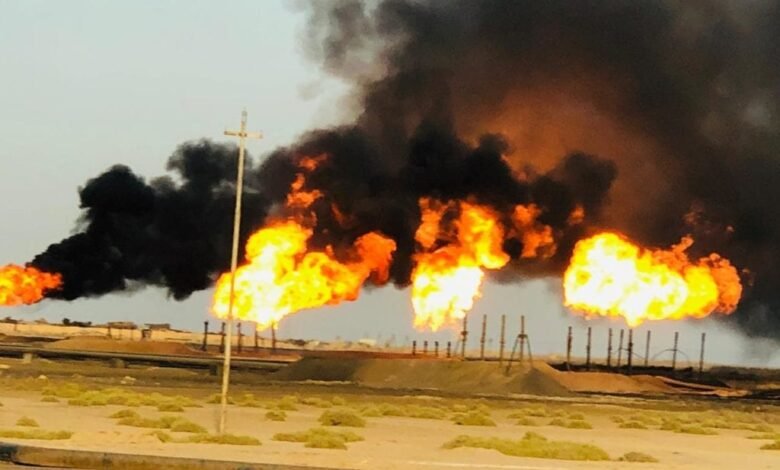
Environmental expert Tahseen Al-Moussawi has raised the alarm over rising levels of toxic gases in Baghdad, warning that the city’s air pollution has reached dangerous levels in recent days. He stressed that this wave of pollution is not new or sudden, but rather a continuation of a longstanding problem, especially in the outskirts of the capital like Al-Basmiya, Al-Nahrawan, and Baghdad Al-Jadeeda. In these areas, residents often experience poor visibility at night and direct health impacts from the polluted air.
Al-Moussawi explained that the causes of Baghdad’s pollution are well-known and worsening, not improving. One major culprit is the Al-Doura refinery, which was originally built for a city of half a million people. Today, with Baghdad’s population around 12 million, the refinery has become a major source of harmful emissions.
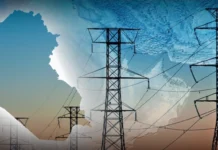
Other contributors include vehicle exhaust, generators, oil waste, improper landfills, medical and government waste, and brick factories—700 to 800 around the city—using high-sulfur crude oil. Power plants also add to the problem, many without proper environmental controls.
Urban expansion has made things worse. The loss of green spaces, new roads, and bridges all increase pollution. Al-Moussawi specifically warned about the high concentration of sulfur dioxide, which can cause suffocation or even death if it surpasses safe limits, with asthma patients being particularly at risk.
The expert also highlighted a worrying link between air pollution and cancer, noting that official health statistics are scarce. Most patients rely on private clinics, and government hospitals often lack supplies, forcing some residents to rely on home oxygen. Meanwhile, authorities have provided neither data nor warnings to the public.
Al-Moussawi criticized the authorities for a “complete absence of solutions and seriousness.” He said the Ministry of Environment lacks both enforcement tools and laws strong enough to prevent pollution from air, water, and soil. The recent water crisis, he added, showed the scale of the problem, with “thousands of illegal lakes and wells” mixed with industrial and medical waste.
He concluded by saying that solving Baghdad’s environmental crisis is possible, but it requires wise management, enforceable laws, community awareness, and practical solutions—something that is currently missing.