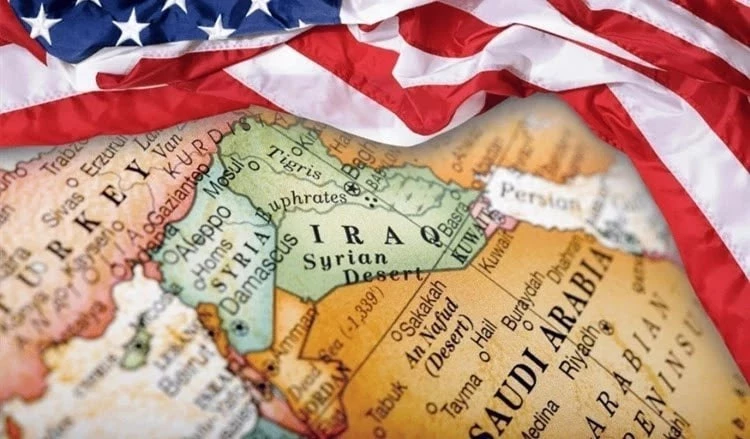
There has been growing criticism in Iraq over the long-standing agreement with the United States, known as the Strategic Framework Agreement.
Many political figures now say this agreement has not benefited Iraq. They point to past events, like the rise of ISIS, when large parts of the country fell out of government control, as well as more recent tensions involving attacks on Iraqi forces.
These concerns have led several political groups and lawmakers to call for the agreement to be canceled, arguing that Iraq should move away from American influence in its decision-making.
Hussein al-Karawi said the agreement was supposed to protect Iraq’s sovereignty and airspace, but in his view, it has not achieved that goal. He claimed it has instead been used in ways that go against Iraq’s interests.
He also expressed strong distrust toward the United States, saying Iraq should not rely on agreements that do not serve its national interests.
At the same time, MP Ahmed Shaheed said that more than 50 members of parliament have signed a proposal to cancel the agreement. He noted that most of those signatures came from Shiite lawmakers, while Kurdish and Sunni representatives did not join.
Political analyst Ibrahim al-Sarraj added that recent tensions have increased pressure on the government to respond. He argued that attacks on Iraqi military sites represent a clear violation of the country’s sovereignty.
He also said there are media efforts that, in his view, try to confuse the situation and justify the continued presence of foreign forces.
Overall, the debate is intensifying inside Iraq. Some leaders believe ending the agreement is necessary to regain full control over national decisions, while others remain cautious about the broader consequences.
In short, the issue reflects a deeper struggle over sovereignty, security, and the future direction of Iraq’s foreign relations.