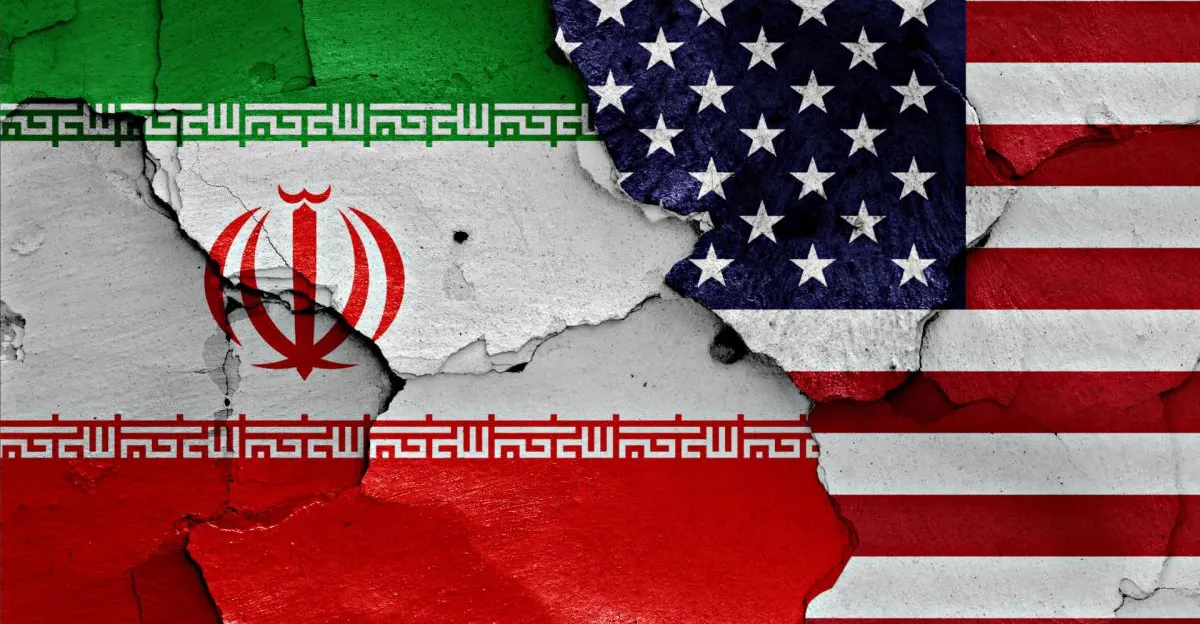
Tensions flared at the UN Security Council on Tuesday as the United States and Iran once again clashed over Iran’s nuclear program and the future of negotiations.
Speaking at the meeting, Morgan Ortagus, Counselor of the US Mission to the Middle East, said Washington is still open to talks — but only under strict conditions.
She made it clear that the US wants direct and serious negotiations, and stressed that uranium enrichment inside Iran cannot continue.
Iran immediately pushed back.
Iran’s UN Ambassador, Amir Saeed Iravani, rejected the US stance, saying Tehran will not give in to pressure or threats. He said a demand for zero enrichment goes against Iran’s legal rights as a member of the Nuclear Non-Proliferation Treaty (NPT).
Iravani blamed the current crisis on the United States’ decision to withdraw from the 2015 nuclear deal in 2018. He also pointed to what he described as later actions by Washington and its allies, including military strikes on Iranian nuclear facilities.
The exchange comes as deep divisions remain inside the Security Council over the so-called “snapback” sanctions mechanism under Resolution 2231, which was part of the original nuclear deal.
Iran says that resolution expired on October 18, ending all related restrictions. Tehran strongly rejects efforts by Britain, France, and Germany to bring back UN sanctions — a position supported by China and Russia.
On the other side, Britain, France, and Germany argue that Iran’s nuclear violations automatically triggered the return of sanctions. China and Russia disagree, saying the snapback mechanism cannot be used after the US left the agreement.
For now, the standoff continues — with no agreement, no clear path forward, and growing disagreement over who holds the legal ground.