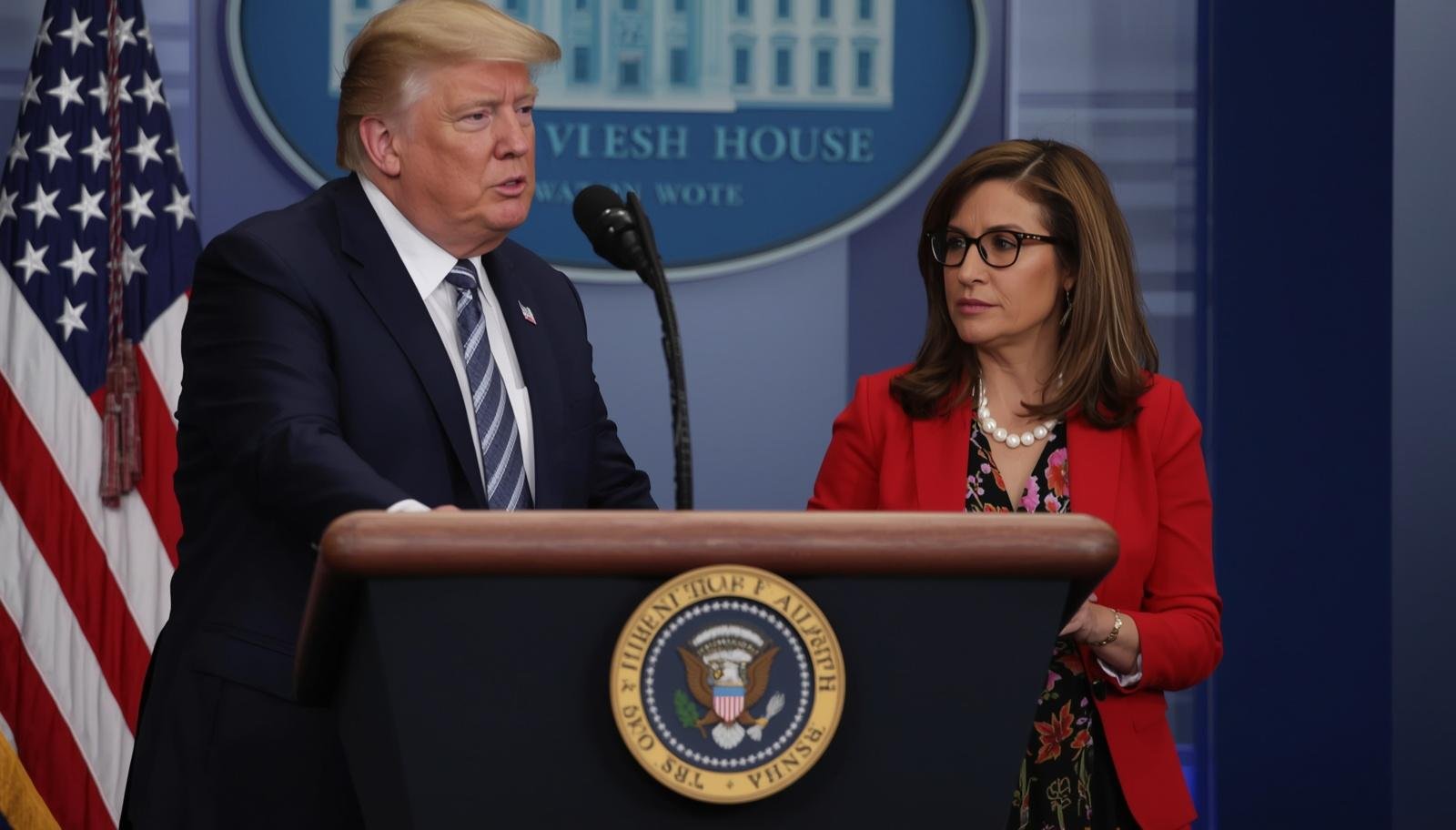
Donald Trump has nominated Dr. Erica Schwartz to lead the CDC in 2026. She’s a former Navy rear admiral and also served as deputy surgeon general during his first term. Right now, the agency has been going through a rough time, with four different leaders in just one year and no stable, Senate-confirmed director since Dr. Susan Monarez was removed last August.
Schwartz is 57 and has a strong background. She studied medicine at Brown University, earned a law degree, and also has a master’s in public health. She spent 24 years in uniform, including roles as the Coast Guard’s chief medical officer and later as deputy surgeon general from 2019 to early 2021.
If the Senate approves her, she would become the second permanent CDC director in Trump’s second term. For now, Dr. Jay Bhattacharya is expected to stay on as acting director while the confirmation process plays out, which could take months.
At the same time, Trump also announced more leadership picks. Sean Slovenski, who used to run Walmart Health, is being brought in as CDC deputy director and chief operating officer.
The timing of this nomination is important. The CDC has been unstable for a while now. Monarez was confirmed in July 2025 but was fired just weeks later, reportedly after disagreements with Health Secretary Robert F. Kennedy Jr. over vaccines and staffing. Since then, the agency has gone through a series of temporary leaders, and even the legal time limit for Bhattacharya’s acting role has already expired.
Trump praised Schwartz publicly, calling her “a STAR” and saying she has the experience and knowledge to bring the CDC back to a high standard. His announcement came the same day Kennedy made some of his strongest supportive comments yet about vaccines, saying the measles vaccine is safe and works well for most people.
Schwartz played an important role during the early days of COVID-19. She helped coordinate testing, tracking, and communication with state officials. Former surgeon general Jerome Adams, who chose her for the role, has said she has the credibility and leadership skills needed to run the CDC.
One thing in her favor is that she doesn’t have a history of opposing vaccines. That could make it easier for her to get Senate approval, especially since some past nominees struggled because of vaccine-related views.
Inside the CDC, staff are feeling cautiously hopeful. The agency has been through a lot, including layoffs, leadership changes, and even a shooting at its Atlanta headquarters in 2025. On top of that, there have been legal battles over vaccine recommendations, which have added more stress.
Her nomination seems like an effort to bring some stability back before major challenges ahead, like the upcoming hurricane season and a busy political calendar. The Senate now has to decide, and that won’t be easy with so many other nominations and laws competing for attention at the same time.