Energy markets are watching closely as major oil producers prepare for a key decision that could influence global prices. Analysts expect leading members of the OPEC+ to announce a small increase in oil production on Sunday, even as tensions in the Middle East threaten to push prices higher.
The meeting will be held virtually by eight influential members of the alliance often referred to as the “Voluntary Eight” (V8). This group includes Saudi Arabia, Russia, Iraq, United Arab Emirates, Kuwait, Kazakhstan, Algeria, and Oman.
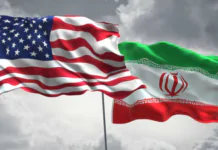
The meeting comes just a day after military strikes by the United States and Israel targeted sites in Iran, raising concerns that the conflict could disrupt global oil supplies.
Last year, the V8 group increased production by about 2.9 million barrels per day, before later announcing a three-month pause in further output hikes. Now analysts say the group may resume increases, with the market expecting an additional 137,000 barrels per day starting soon.
Even before the latest military escalation, oil prices had already been rising due to geopolitical tensions and supply disruptions. The global benchmark Brent Crude climbed more than 3 percent on Friday, trading above $73 per barrel, compared with about $61 at the beginning of the year.
According to analysts, several factors have tightened global oil supply since early January. These include extreme winter weather in the United States that temporarily shut down some production, drone-related disruptions affecting Russian energy facilities, and a power outage that interrupted output at Kazakhstan’s Tengiz oil field.
Despite these pressures, analysts say the expected production increase from OPEC+ may not dramatically lower prices. Estimates suggest that while the official increase might be 137,000 barrels per day, the actual additional supply reaching the market could be closer to 80,000 to 90,000 barrels per day.
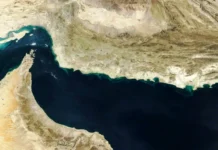
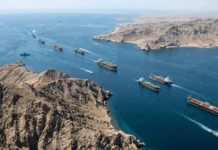
The biggest risk to global energy markets remains the possibility of escalation involving Iran. The country is an important oil producer, but the larger concern is the potential closure of the Strait of Hormuz.
Roughly 20 million barrels of oil pass through the Strait of Hormuz each day, representing about 20 percent of global oil supply. If the strait were blocked, the impact on global markets could be dramatic. Only Saudi Arabia and the United Arab Emirates have pipelines capable of bypassing the route, and their combined capacity is limited to about 2.6 million barrels per day, according to the U.S. Energy Information Administration.
Analysts say that even if the conflict remains limited, oil prices could still rise toward $80 per barrel. However, if the conflict expands or if shipping through the Strait of Hormuz is disrupted for a longer period, prices could surge much higher — potentially reaching around $100 per barrel.
At the same time, increasing production would allow OPEC+ members to defend their market share against growing competition from other producers such as the United States, Canada, Brazil, and Guyana.
Some analysts believe that OPEC+ actually prefers oil prices in the $80 to $90 range, while keeping them close to $70 per barrel helps discourage heavy new investment from U.S. shale producers while still providing acceptable revenues for the alliance’s members.