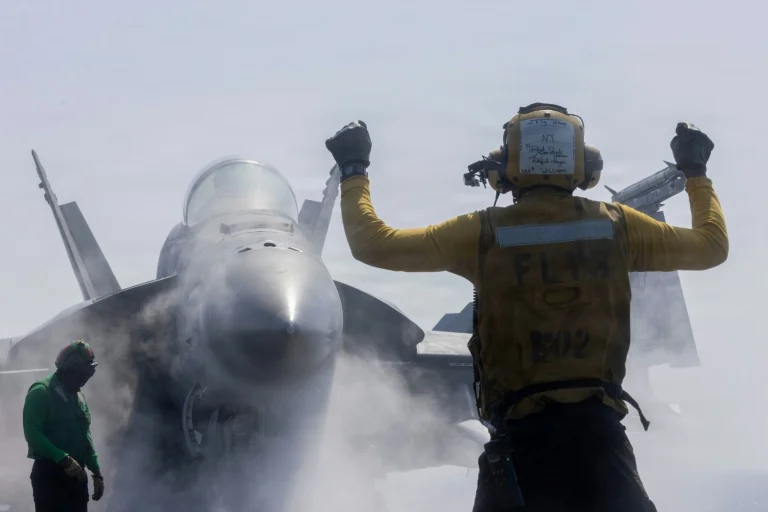
Markets shook on Monday as strikes by the United States and Israel on Iran sent oil prices soaring and stocks across Asia tumbling, stoking fears of a prolonged conflict in the Middle East.
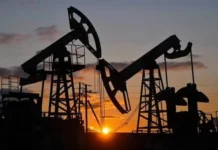
Oil and energy:
- Brent Crude jumped nearly 14% at one point, while West Texas Intermediate rose almost 12% following reports of attacks that killed Ayatollah Ali Khamenei and other senior officials.
- The Strait of Hormuz, a key route for about 20% of the world’s seaborne oil, was effectively blocked, with several ships attacked, raising concerns over global supply.
- Energy companies saw gains: Woodside Energy jumped over 5%, Santos climbed 9%, PetroChina added almost 4%, and Inpex in Japan surged more than 10%.
- Gas prices also spiked, especially from Qatar, heightening inflation worries.
Stocks:
- Equity markets in Asia were mostly down: Tokyo’s Nikkei fell 1.4%, Hong Kong’s Hang Seng dropped 1.9%, Wellington and Taipei also moved lower. Shanghai managed a small gain of 0.3%.
- U.S. futures fell over 1%, while the Dow closed down 1.1%. London’s FTSE 100 rose slightly 0.6%.
Safe havens and currencies:
- Gold climbed about 2% as investors sought stability.
- The dollar strengthened against the euro and pound, with the yen slightly weaker.
Economic risks:
Analysts warn that sustained high oil prices could fuel inflation, slow economic growth, and create additional recessionary pressures if the disruption lasts beyond a few days. Shipping and energy costs could continue rising, affecting global trade and transport.
Key prices at around 0200 GMT:
- West Texas Intermediate: $69.84 (+4.2%)
- Brent Crude: $76.32 (+4.7%)
- Nikkei 225: 58,001 (-1.4%)
- Hang Seng Index: 26,130 (-1.9%)
- Shanghai Composite: 4,173 (+0.3%)
The situation remains highly fluid, with markets reacting to geopolitical developments and potential disruptions in energy supply.