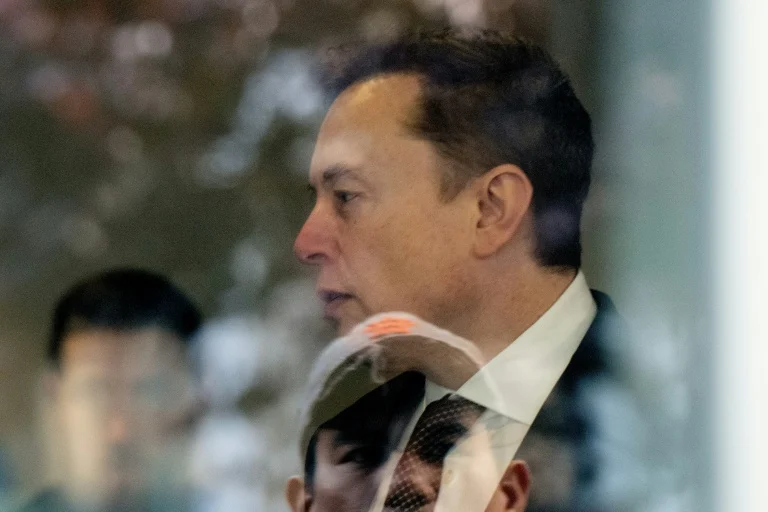
Elon Musk is seen by supporters as a visionary engineer trying to shape the future, while critics describe him as a controversial figure who often makes bold promises that take years to materialize.
Despite the debate around him, Musk remains the world’s richest person and the driving force behind several of the world’s most influential technology companies. Attention is now growing as SpaceX prepares for its first public share sale.
SpaceX has become the leading company in commercial space launches, regularly sending astronauts and satellites into orbit. Its satellite internet division, Starlink, now serves more than nine million users worldwide. However, the service has also faced criticism over concerns about Musk’s control of internet access during geopolitical conflicts, including the war in Ukraine.
SpaceX also absorbed Musk’s AI company xAI in a massive all-stock merger earlier this year. The deal, which included the Grok chatbot, reportedly valued the combined company at around $1.25 trillion, making it one of the largest corporate mergers ever announced. Some analysts, however, question whether the valuation reflects real business performance or market hype.
Musk’s electric vehicle company Tesla remains one of the most recognized car brands in the world. Beyond electric vehicles, Tesla also works on solar energy, home batteries, self-driving technology, and humanoid robots. Many of these projects have been promoted heavily by Musk, although several timelines have faced long delays.
Tesla’s Cybertruck, once considered one of the company’s most anticipated products, has struggled commercially. Tesla has also faced declining sales in 2025 due to rising global competition and backlash linked to Musk’s political activities, including support for Donald Trump and Germany’s far-right AfD party. Tesla shares have fallen around 20% over the past year.
Musk also owns X, previously known as Twitter, which he bought for about $44 billion in 2022. After taking control, he reduced staff numbers and loosened moderation policies, leading many advertisers to leave the platform. Critics say the platform has increasingly become centered around Musk’s personal views and supporters.
Another Musk company, Neuralink, is developing brain implant technology designed to help people with paralysis or neurological conditions communicate using thought-controlled devices. Early trials have shown patients controlling computer cursors and robotic arms using brain signals. Still, experts continue raising concerns about privacy and long-term safety.
Musk’s transportation startup The Boring Company was launched to reduce traffic through underground tunnel systems. Its most visible project, a tunnel network beneath the Las Vegas Convention Center, has received mixed reactions, with critics arguing it falls short of Musk’s original promises of a revolutionary transportation system.