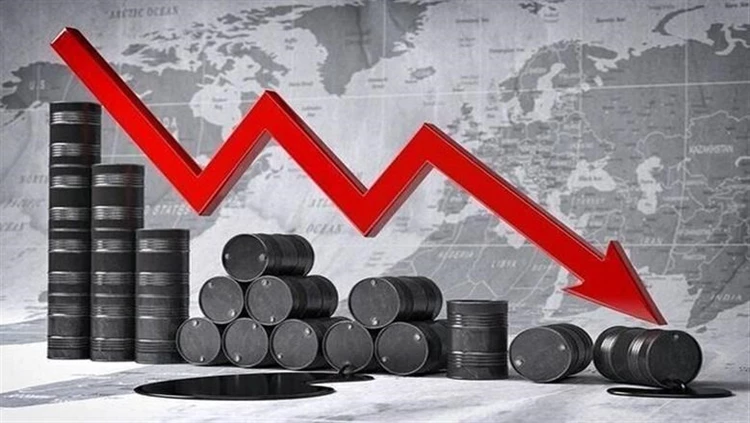
Oil prices moved lower on Thursday after Lebanon and Israel agreed to a ceasefire, raising hopes that tensions across the Middle East could ease and potentially lead to broader diplomatic progress involving Iran.
Brent crude futures fell by 67 cents, or 0.69%, to $97.14 per barrel. Meanwhile, U.S. West Texas Intermediate (WTI) crude dropped 62 cents, or 0.65%, to $95.40 per barrel.
The decline came after both oil benchmarks gained nearly 2% on Wednesday as investors reacted to escalating tensions in the region. Recent developments, including Iranian attacks on Kuwait and U.S. military operations near the Strait of Hormuz, had raised concerns about possible disruptions to global energy supplies.
The ceasefire agreement between Lebanon and Israel helped calm some of those fears, encouraging traders to reduce the risk premium that had recently pushed oil prices higher.
Political developments in the United States also attracted attention. The House of Representatives approved a resolution aimed at limiting the president’s authority to continue military action against Iran. However, the measure still requires approval from the Senate and could face a presidential veto before becoming law.
At the same time, U.S. officials signaled that diplomatic progress with Iran may be possible in the coming days. President Donald Trump suggested that negotiations could move forward, although no breakthrough has been announced.
Iranian Foreign Minister Abbas Araqchi also confirmed that communication between Tehran and Washington remains ongoing. However, he said that discussions have yet to produce any meaningful results.
Despite the drop in prices, oil received some support from new data showing a significant decline in U.S. crude inventories. According to the latest figures, American crude stockpiles fell by 8 million barrels last week, a much larger decrease than analysts had expected.
The sharp inventory drawdown suggested strong demand or tighter supply conditions, helping to limit losses in the oil market.
Investors will continue to watch developments in the Middle East closely, as geopolitical tensions remain one of the biggest factors influencing oil prices. Any progress in diplomatic talks could ease concerns about supply disruptions, while renewed conflict could quickly push prices higher again.