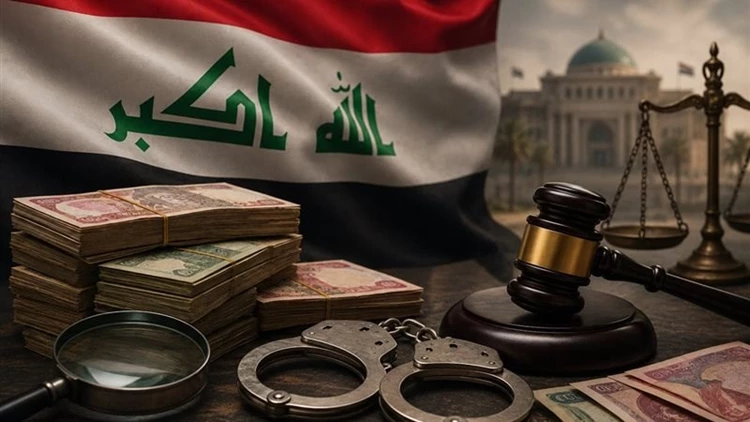
Iraq is witnessing a major escalation in its fight against corruption as authorities push forward with what many are calling the “Green Zone offensive.”
The campaign, carried out jointly by judicial and security agencies, has targeted a number of high-profile officials in Baghdad’s Green Zone and other parts of the country. According to official information and informed sources, more than 47 officials and members of parliament have been detained on allegations related to financial and administrative corruption.
The operation was reportedly launched under strict judicial orders and is being overseen by the Supreme Judicial Council, with support from the government. Authorities have also moved quickly to lift the legal immunity of several lawmakers whose names have appeared in investigation files.
The developments have sparked intense political debate and public interest. Many Iraqis are now asking whether this campaign could become a real turning point in the country’s long struggle against corruption, or whether political pressure and competing interests could slow its progress in the months ahead.
Questions have also been raised about the judiciary’s ability to maintain its independence while handling cases involving influential political figures. At the same time, attention is focused on whether Parliament will continue approving requests to lift immunity if more names emerge during ongoing investigations.
Some observers believe the campaign could mark a significant shift in how Iraq deals with corruption. Rather than focusing on isolated cases, they see the effort as part of a broader attempt to rebuild state institutions around transparency, accountability, and the rule of law.
Supporters argue that successful prosecutions could help recover stolen public funds, improve Iraq’s investment environment, and weaken networks built on corruption and political favoritism.
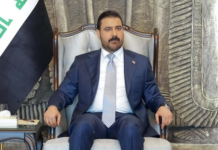
Former Parliamentary Integrity Committee member Yasser al-Husseini said there appears to be both political and judicial agreement that no official will be protected if evidence proves involvement in corruption cases. According to him, anyone whose name appears in investigations, whether inside Iraq or abroad, could face legal action if sufficient evidence is found.
Al-Husseini also revealed that the judiciary is currently handling several major corruption cases that he described as larger and more serious than many previous investigations. He noted that the Parliamentary Integrity Committee submitted eight major files during the last parliamentary session. Some of those cases have already moved forward, while others are expected to be opened according to a schedule set by the judiciary.
The campaign has also received public support from several political groups, including members of the Coordination Framework, who have expressed backing for government and judicial efforts to combat corruption. They have called for continued investigations, stronger oversight of state institutions, and an end to the misuse of public funds.
Meanwhile, social media has been flooded with reports and speculation about possible involvement by the U.S. Federal Bureau of Investigation (FBI) in the anti-corruption campaign. However, no official confirmation has been provided regarding such claims.
As the investigations continue, many Iraqis are watching closely to see whether this campaign will produce lasting reforms or become another chapter in the country’s long-running battle against corruption.