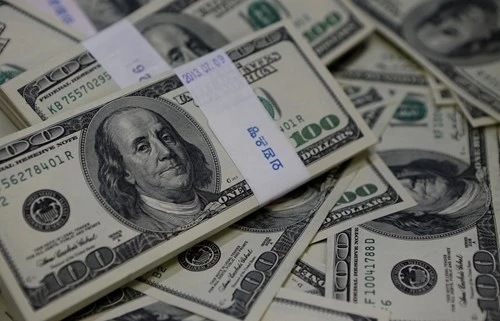
The U.S. dollar is heading for its largest weekly decline in nearly three months after weaker-than-expected labor market data increased expectations that the Federal Reserve may take a less aggressive approach to monetary policy.
The dollar continued to weaken during early Asian trading on Friday, while several major currencies posted gains against the U.S. currency.
The euro remained close to a two-week high at $1.1442, while the British pound strengthened to $1.3361. Sterling is on track for a weekly gain of around 1.2%, which would mark its strongest weekly performance in nearly three months.
In Asia, the Australian dollar climbed to $0.6935 and is set to end a four-week losing streak. The New Zealand dollar traded at $0.5702 and is also heading for a weekly gain of about 1.2%.
The U.S. Dollar Index, which measures the dollar’s performance against a basket of major currencies, fell 0.2% to 100.77. The index had already dropped 0.5% during Thursday’s session and is down about 0.58% for the week, its biggest weekly decline since early April.
The dollar came under pressure after new economic data showed a sharp slowdown in U.S. job growth during June. The economy added just 57,000 non-farm jobs, well below market expectations of 110,000.
At the same time, the labor force participation rate fell to 61.5%, its lowest level in more than five years, raising concerns about the strength of the labor market.
Following the data release, investors reduced expectations for a near-term interest rate increase. According to the CME FedWatch Tool, the probability of a Federal Reserve rate hike in September dropped to 52%, compared with 64% a day earlier.
In Japan, the yen strengthened to 161.01 per dollar after gaining nearly 1% in the previous session. The currency moved further away from the multi-decade lows reached earlier this year as investors continued to watch for possible intervention by Japanese authorities to support the yen if weakness returns.
The latest moves reflect growing expectations that slowing economic activity in the United States could reduce the need for further monetary tightening, a development that has weighed on the dollar while supporting other major currencies.