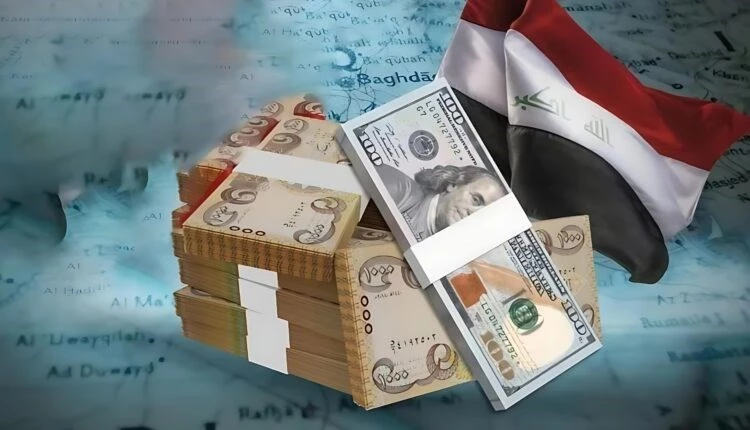
Iraq’s federal budget is still expected to be sent to Parliament in October, but many Iraqis remain concerned as regional tensions continue to grow and the situation in the Middle East remains uncertain.
Many citizens are waiting for the budget to be approved because it affects a wide range of groups across the country. Government employees are still waiting for delayed bonuses and promotions, while contractors, project owners and farmers are hoping to receive outstanding payments.
At the same time, economic experts continue to warn about Iraq’s heavy dependence on oil revenues. They believe the country needs to increase non-oil income sources to reduce the impact of regional instability and global economic shocks.
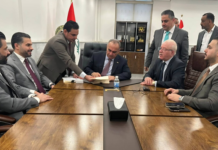
Member of Parliament Mohammed Al-Moussawi said the planned date for sending the federal budget to Parliament has not changed and remains scheduled for October.
He explained that the relevant government bodies are continuing to complete the financial data and procedures needed for the budget law according to the established timetable.
Al-Moussawi dismissed reports suggesting that the budget could be delayed, saying there are no official indications that the submission date will be postponed.
He added that Parliament is waiting for the budget so lawmakers can begin discussions and move forward with its approval process.
According to Al-Moussawi, it is important for the government to stick to the planned schedule so parliamentary committees have enough time to review the budget details and vote on them without delays.
Prime Minister’s financial adviser, Mazhar Mohammed Salih, said Iraq remains highly vulnerable to global economic shocks because oil is still the country’s main source of revenue.
He noted that any major international economic crisis can directly affect Iraq’s economy due to this dependence.
Salih said one of the most important long-term solutions is to diversify the economy and create additional sources of revenue beyond oil.
He stressed that Iraq should gradually move toward a more balanced economy that is less sensitive to fluctuations in oil prices.
According to Salih, Iraq should aim to increase non-oil revenues over the next decade so they account for around 45% of total budget income. He believes this would strengthen financial stability and reduce risks during periods of market uncertainty.
He also emphasized the need to support productive sectors such as agriculture and industry, saying stronger domestic production would help build a more sustainable economy that can better withstand future crises.
Economist Dr. Safwan Qusay offered a different perspective on the country’s financial plans.
He said the 2026 budget could be replaced by legislation focused on internal and external borrowing, grants and donations, while work continues on preparing the 2027 budget.
According to Qusay, several factors could influence next year’s financial plans, particularly developments in the region.
He said many people are hoping that tensions surrounding the Strait of Hormuz will be resolved before October 15, as Iraq still relies heavily on oil exports from its southern ports.
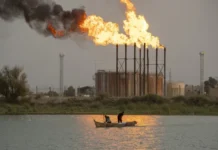
Oil revenues currently account for about 90% of the country’s income, making Iraq especially vulnerable to any disruption in energy exports.
Qusay warned that if regional tensions continue and no solution is reached, Iraq may have to rely on spending mechanisms already established under permanent laws rather than a new budget framework.
He added that government institutions should work toward increasing their own revenues so they can become less dependent on funding from the Ministry of Finance.
The ongoing debate highlights a broader challenge facing Iraq: balancing immediate financial needs while building a stronger and more diversified economy for the future.