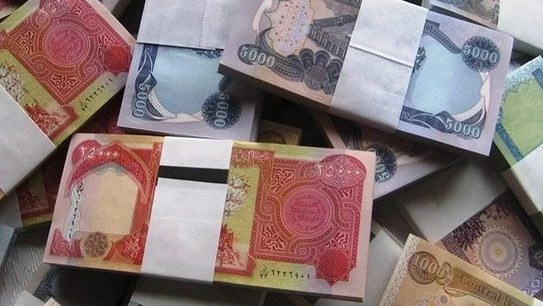
Economic expert Abdul Rahman Al-Mashhadani has stressed that any decision to remove zeros from the Iraqi dinar or introduce a new currency structure falls solely under the authority of the Central Bank of Iraq. He also cautioned against taking such a step during the current financial challenges facing the country.
According to Al-Mashhadani, the proposal is not a new one. He noted that studies and discussions regarding the removal of zeros from the currency have been ongoing since 2012, with experts examining its potential benefits and risks for more than a decade.
He questioned recent claims that changing the currency could help target corrupt individuals or recover illegally obtained wealth. In his view, such expectations are unrealistic because those involved in corruption often have various ways to move or hide funds. He argued that large amounts of money could simply be transferred to relatives, associates, or other individuals, making it difficult for a currency exchange process alone to address corruption.
Al-Mashhadani also highlighted the practical challenges involved in replacing a national currency. He explained that the process would likely take at least seven months under ideal conditions and would require the Central Bank to finalize new currency designs and technical specifications before implementation.
He noted that currency printing is handled through international arrangements rather than local facilities. According to him, Iraqi banknotes are produced through specialized printing operations involving several countries, including France, Britain, Spain, and India.
Another major concern, he said, is the logistical side of the exchange process. Replacing a currency would require a large network of well-organized banking outlets capable of handling millions of transactions smoothly. Without proper planning, there is a risk of overcrowding, confusion, delays, and opportunities for exploitation by individuals seeking to take advantage of the situation.
Al-Mashhadani also pointed to the large amount of cash circulating outside the formal banking system. He estimated that around 92 trillion Iraqi dinars are currently held outside banks, a figure that could make any currency replacement process significantly more complex.
Given these challenges, he believes that any decision regarding currency reform should be approached carefully and only after thorough planning, economic evaluation, and preparation by the relevant authorities.
His comments come as discussions continue about possible monetary reforms in Iraq and the role such measures could play in addressing broader economic and financial challenges facing the country.