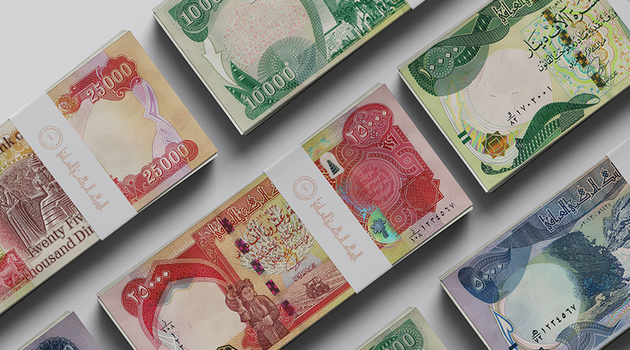
The departure of the last U.S. troops from Iraq on September 30, 2026, is undoubtedly a major historical event. It marks the end of a military presence that began with the 2003 invasion and is being officially celebrated by the Iraqi government as “Sovereignty Days” with a four-day public holiday.
For many followers of Iraqi dinar speculation forums, however, this date has been promoted as something more: the trigger for a long-awaited revaluation (RV) of the Iraqi dinar.
There is no evidence that this will happen.
The argument often repeated on dinar forums is that once U.S. troops leave Iraq, the country regains full control over its monetary system and can finally revalue its currency. While that theory may sound appealing, it does not match how Iraq’s monetary system actually works.
The Central Bank of Iraq has been responsible for monetary policy for decades. It has the legal authority to manage the country’s exchange rate, foreign reserves, and currency policies. The presence of U.S. troops did not place Iraq’s exchange rate under American control, and their withdrawal does not transfer any new monetary powers to Baghdad.
The current official exchange rate was established by the Central Bank of Iraq in 2023 and has remained unchanged since then. That rate was set by Iraqi monetary authorities, not by foreign governments or military forces.
Market conditions also do not support the idea of an imminent revaluation. In Iraq’s parallel currency market, the dollar continues to trade significantly above the official rate. Recent market prices have been around 157,000 to 158,000 dinars per $100, while the official rate remains 131,000 dinars per $100.
If traders genuinely expected a major appreciation of the dinar in the near future, market behavior would likely look very different. Instead, the gap between the official and parallel rates reflects continued demand for dollars and ongoing market pressures.
The Central Bank of Iraq has repeatedly rejected rumors about currency revaluations and changes to the dinar. In recent statements, the bank dismissed reports about new currency notes and claims of exchange-rate changes, stressing that any future currency reform would require legal, technical, and administrative procedures and would be announced through official channels.
The bank has also warned the public against relying on unofficial reports and speculation.
This is important because central banks do not introduce major currency reforms through rumors, forum discussions, or holiday announcements. Significant monetary changes require planning, public communication, and implementation periods.
The end of the U.S. military mission is a significant political and historical milestone for Iraq. It represents the conclusion of a 23-year chapter in the country’s modern history and will likely influence future diplomatic, economic, and security relations.
However, political symbolism and monetary policy are not the same thing.
Iraq has experienced many historic moments over the past two decades, including elections, changes in government, military victories, and major economic developments. None of those events automatically triggered a revaluation of the dinar.
The same principle applies here.
The withdrawal of U.S. troops is a sovereignty event, not a currency event.
Many speculation forums may continue linking major political developments to predictions of an RV, and if those expectations are not met, attention will likely shift to a new future date. That pattern has repeated many times over the years.
The key issue is not whether September 30 is historically important. It clearly is.
The real question is whether the departure of U.S. forces changes the fundamentals governing Iraq’s currency.
Based on the current policies of the Central Bank of Iraq, the official exchange-rate framework, and the conditions visible in the currency market, there is no indication that it does.
The Iraqi dinar’s value remains tied to monetary policy decisions made by the Central Bank of Iraq, not to the presence or absence of foreign troops.
As a result, the U.S. military withdrawal should be viewed as a major political and historical milestone for Iraq, but not as evidence of an imminent revaluation of the Iraqi dinar.