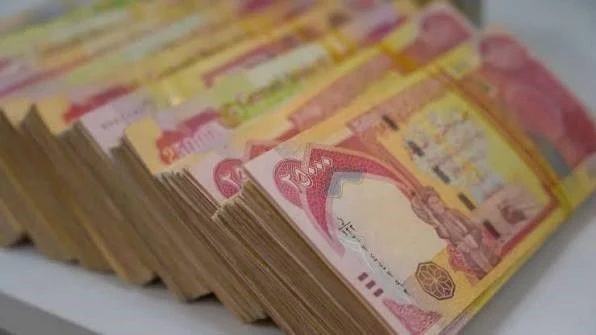
Iraq’s financial situation is becoming more complicated as tensions in the region continue to rise following the conflict involving Iran. The crisis has put additional pressure on Iraq, especially because the country depends heavily on oil exports to fund government spending. With oil exports affected, concerns about state revenues are growing.
At the same time, the Ministry of Finance announced that it has completed the 2027 budget and submitted it to the Ministerial Council for the Economy, which then forwarded it to the Council of Ministers. However, lawmakers are warning that many political groups are pushing for new items and allocations to be added to the budget, even though available funds may not be enough to support those demands.
Former Parliamentary Finance Committee member Abdul Hadi Al-Saadawi said Iraq has been operating under a three-year budget framework, but the lack of annual budgets in recent years has forced spending to continue under the 1/12 system. He said a 2027 budget is necessary to provide a legal basis for government spending and keep state operations running smoothly.
Al-Saadawi also said that meeting new financial demands will be difficult because of the current economic pressures. According to him, the regional conflict and its impact on oil exports have created a serious financial challenge for Iraq.
He further argued that unresolved issues between Baghdad and the Kurdistan Region remain a major concern. He called for a final settlement on oil revenues and border-crossing income and suggested that Kurdistan Region employees be brought under the federal Ministry of Finance so their salaries and allocations can be managed directly through the federal budget.
Meanwhile, Hikma Movement leader Maysar Al-Shammari said the budget is expected to reach Parliament on October 9. He described it as the first Iraqi budget built on a programs-and-performance model rather than traditional spending methods.
Al-Shammari noted that some Kurdish parties have technical objections because they want a larger share of budget allocations. However, he said the new budget does not change the region’s current percentage. He added that Parliament can still pass the budget even if Kurdish blocs do not support it, although political leaders prefer to approve it through consensus because of its importance to citizens.
Economic expert Dr. Safwan Qusay said the success of next year’s budget depends on several factors, including whether tensions surrounding the Strait of Hormuz ease before mid-October. Since around 90% of Iraq’s income comes from oil exported through southern ports, any disruption could have major consequences.
He explained that if tensions continue, Iraq may have to rely on spending mechanisms already allowed under existing laws. He also suggested increasing the revenues of government institutions so they can cover more of their own expenses instead of depending entirely on the Ministry of Finance.
The Ministerial Council for the Economy announced on Sunday that it reviewed the draft 2027 federal budget law and recommended sending it to the Council of Ministers after considering comments from council members. The draft was submitted urgently by the Ministry of Finance on September 26.