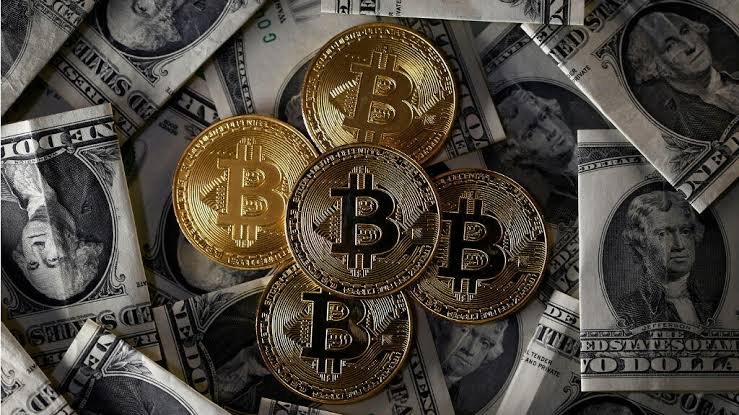
A Bitcoin whale has moved 4,582 BTC worth about $377.6 million to five separate wallets after holding the coins for more than six years. The transfer comes as Bitcoin faces renewed selling pressure near $83,000.
Blockchain analytics platform Lookonchain reported the movement on October 12. The sending wallet split the funds across five addresses, with four receiving 1,000 BTC each and the fifth receiving about 582 BTC. At the time of the report, none of the receiving wallets had moved the funds again.
The original wallet received the 4,582 BTC on March 3, 2020, when the coins were worth around $40.8 million. Bitcoin was trading near $8,900 at the time. Based on the value reported for the latest transfer, the holdings had grown to roughly 9.3 times their original value.
Arkham’s blockchain records show that the coins originally came from another Bitcoin address. The wallet held almost its entire balance through the March 2020 market crash, when Bitcoin briefly fell below $4,000 following the outbreak of COVID-19.
Although the wallet is described as dormant for six years, its history includes a small outgoing transaction in August 2024 involving 0.009 BTC. The remaining funds were returned to the same wallet. Monday’s movement was therefore its first major transfer since March 2020, rather than its first outgoing transaction of any size.
The purpose of the latest transfer remains unknown. The receiving addresses had not been identified as exchange deposit wallets, and there was no confirmed sale linked to the transaction. It is also unclear whether the five addresses belong to different owners or are controlled by the same holder.
The transfer follows other large movements from long-inactive Bitcoin wallets during 2026. In July, another wallet that had been inactive for more than eight years moved 5,908 BTC worth approximately $383 million. Blockchain records did not confirm that those coins were sold.
Another long-inactive Bitcoin wallet recently moved around 4,500 BTC worth $375.7 million after more than four years without activity. The two transactions involved a combined 9,082 BTC worth approximately $753.3 million at the prices reported for each transfer. However, the movements came from separate wallets, and there is no confirmed connection between their owners.
Similar transfers have occurred throughout the year. In July, Arkham identified a wallet that moved 2,931 BTC worth around $188 million after seven years without major activity. The holder had acquired the coins when Bitcoin was trading near $6,500, leaving substantial unrealized gains before the transfer.
Large movements from old wallets can attract market attention because they may indicate that long-term holders are preparing to sell or reorganize their assets. However, moving Bitcoin between addresses does not automatically mean the coins have been sold.
Meanwhile, CryptoQuant analyst Darkfost has warned that selling pressure among U.S. market participants appears to be increasing.
The analyst pointed to the Coinbase Premium Index, which compares Bitcoin’s price on Coinbase with its price on Binance. A negative reading means Bitcoin is trading at a lower price on Coinbase than on Binance, potentially indicating weaker buying demand or stronger selling pressure on the U.S.-focused exchange.
Darkfost said the volume-weighted version of the indicator had remained deeply negative for several days. Because it gives greater weight to larger transactions, it can provide additional insight into price differences involving higher-volume trading.
The analyst interpreted the readings as a sign that institutional and professional traders using Coinbase were selling more aggressively than participants on Binance. However, the index does not identify individual traders or independently confirm the amount of Bitcoin sold by institutions.
CoinGlass data showed that the Coinbase Bitcoin Premium Index had remained negative for 19 consecutive days as of October 12, reaching approximately -0.12%.
Darkfost linked the weakness to broader economic pressures, including rising government bond yields, persistent inflation concerns and a stronger U.S. dollar. He also noted that the Dollar Index had climbed above 102, its highest level since April 2025, as markets responded to economic and geopolitical uncertainty.
According to the analyst, higher borrowing costs and tighter financial conditions may be discouraging professional investors from increasing their Bitcoin exposure. However, this remains a market assessment rather than proof that macroeconomic conditions directly caused the whale transfer.
Bitcoin was trading near $83,500 at the time of reporting, down around 1% over 24 hours after falling to approximately $81,220 earlier in the session. Traders continued monitoring large wallet movements, exchange activity and wider economic developments.
QCP Capital maintained a fourth-quarter base-case trading range of $80,000 to $90,000. The firm identified $80,000 as an important support level and suggested that a sustained move above $87,000 could bring $94,000 into focus. These levels reflect the firm’s outlook rather than guaranteed price targets.
Other large Bitcoin transfers have also drawn attention during the recent decline. Between October 7 and 8, government-associated wallets moved approximately 9,261 BTC worth $770 million to Coinbase Prime. The transactions included several groups of seized assets, including Bitcoin linked to the Bitfinex hack. However, the transfers did not confirm that the coins had been sold, as Coinbase Prime also provides custody services.
On October 9, publicly listed Bitcoin mining company MARA Holdings transferred approximately 996 BTC worth $81.13 million to Galaxy Digital and another associated address. The available records did not establish that MARA had completed a sale.
Together, these movements show that large Bitcoin holders, government-associated wallets and mining companies have continued moving substantial amounts of BTC during a period of price weakness. Still, transfers alone do not confirm that these holders are selling.
For now, Bitcoin’s price direction will depend on several factors, including market demand, economic conditions and whether large holders decide to sell or continue holding their assets.