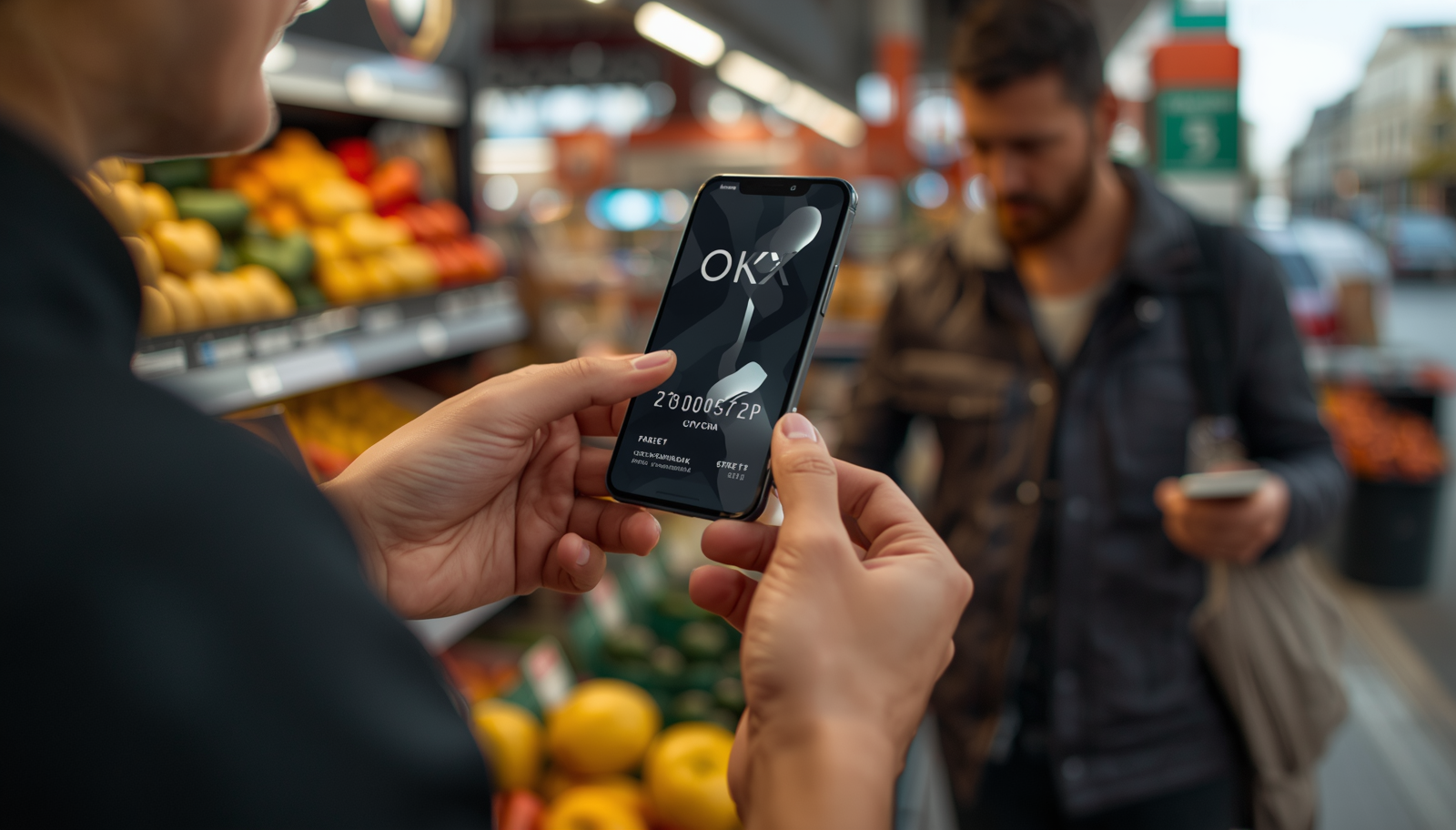
OKX says its crypto card is already being used for everyday life — not luxury spending.
In its first month in Europe, most OKX Card transactions were for basic needs like groceries, food, and small purchases.
Groceries and supermarkets alone made up 26% of all transactions. That means more than 1 in 4 payments happened at a regular grocery store.
Food overall dominated spending. Restaurants added another 12%, fast food contributed more, and together food-related payments reached 44% of total usage.
This shows a clear shift. Instead of using crypto for big or rare purchases, people are using it for daily spending — things like food, takeaways, and small retail items.
Online shopping also played a role, making up about 13% of transactions.
The data covers activity across the European Economic Area between late January and late February 2026, based on real card usage.
Looking deeper, spending habits changed from country to country:
- In France, bakery purchases stood out, higher than the regional average
- In Germany, people used the card more for online marketplaces, with about 30% of transactions happening online
- In the Netherlands, supermarket use was the highest, with 37% of payments going to groceries
- In Poland, users focused more on small in-person purchases like convenience stores and even fuel
The card works by letting users spend stablecoins anywhere Mastercard is accepted. The crypto is converted at the time of payment, so it feels like using a normal card.
This launch is part of a bigger push to make stablecoin payments more practical. Companies are trying to connect crypto wallets to everyday payment systems people already use.
Early data suggests one key thing:
crypto cards are starting to behave like normal debit cards.
People aren’t just experimenting — they’re buying groceries, eating out, and handling daily expenses with crypto.
It’s still early, and the data is limited to one platform and one month. But it gives a clear signal of where things might be heading:
crypto moving from hype to real-world, everyday use.