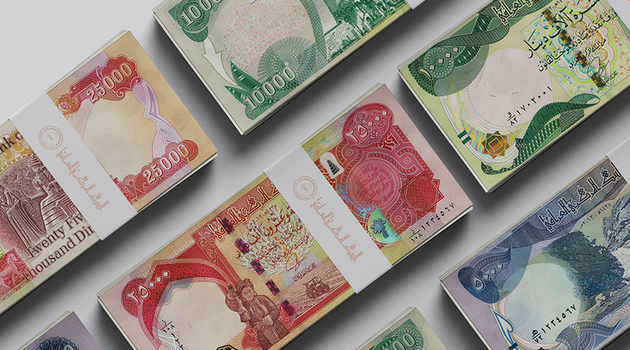
Iraq is studying the possibility of replacing its current banknotes with a completely new currency series as part of efforts to remove counterfeit, damaged, and stolen notes from circulation while encouraging cash held outside the banking sector to return to banks.
According to discussions between the Central Bank of Iraq and the parliamentary Finance Committee, the focus is on issuing a new series of banknotes rather than removing zeros from the currency. The proposal remains under review and no final decision has been announced.
Officials believe a currency replacement could improve security features, reduce the circulation of counterfeit notes, remove worn-out banknotes, and help recover cash that is currently outside the formal financial system.
Under the proposal, ordinary amounts of cash would be exchanged through a straightforward process. However, holders of large sums would likely be required to open bank accounts, deposit their funds, complete identity verification procedures, and provide proof of the source of their money. Discussions have suggested a threshold between 100 million and 150 million Iraqi dinars, although no final amount has been approved.
Initial estimates indicate that the process could bring between 20 and 25 trillion Iraqi dinars back into the financial system. Authorities also believe that a portion of people exchanging their cash may choose to leave some or all of their money deposited in banks, increasing liquidity within the banking sector.
More than 100 trillion Iraqi dinars are estimated to be held outside Iraq’s banking system. Banking officials have warned that this large volume of cash outside banks reduces available liquidity and limits banks’ ability to support economic activity and investment.
Experts involved in the discussions stressed that any currency replacement would require a carefully planned transition period, measures to prevent market disruption, simple procedures for citizens, and sufficient preparation by banks to handle a large increase in deposits and exchange transactions.